Waterproofing Guide for Australian Homes
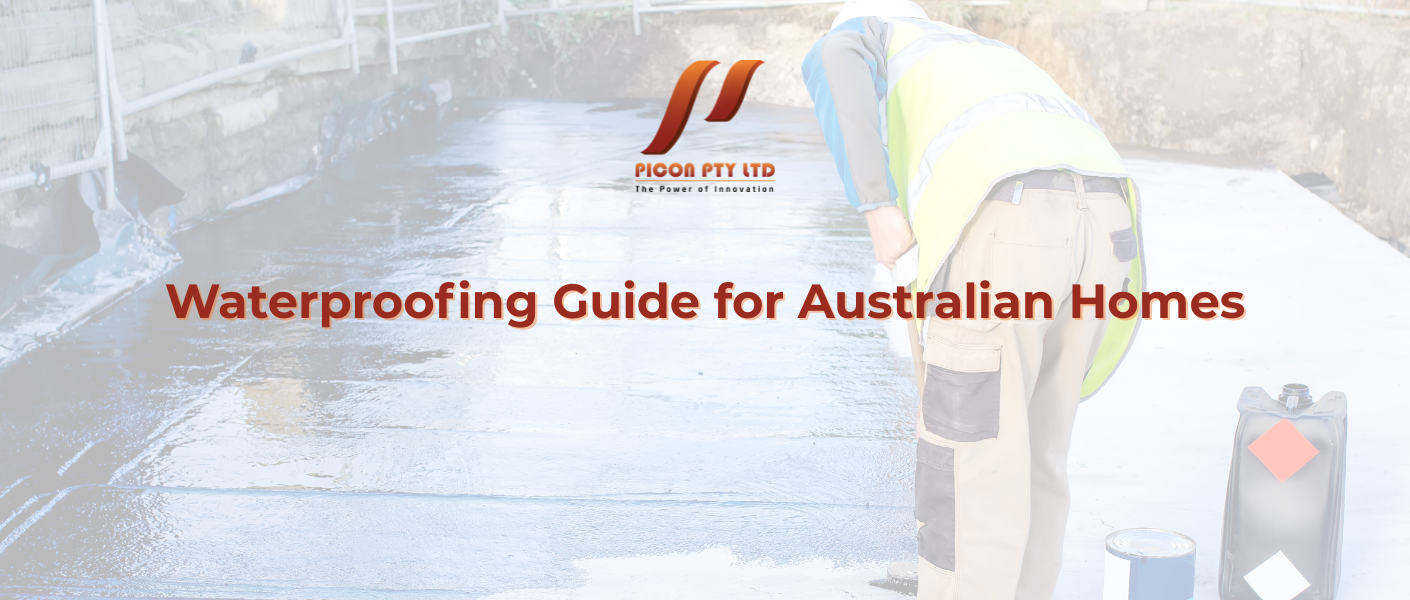
Water is one of the biggest threats to any building. While a home is designed to protect its occupants from the weather, even small leaks or moisture problems can lead to costly repairs if left untreated. From bathrooms and balconies to roofs and foundations, proper waterproofing plays a critical role in protecting your home’s structure, improving durability, and maintaining a healthy indoor environment.
Australia’s climate varies greatly, from tropical humidity in the north to heavy rainfall along the east coast and hot, dry conditions in many inland regions. These different weather conditions make effective waterproofing essential for both new homes and renovation projects.
This waterproofing guide explains what waterproofing is, why it matters, the different waterproofing systems available, where waterproofing should be applied, and how homeowners and builders can choose the right solution for long-term protection.
What Is Waterproofing?
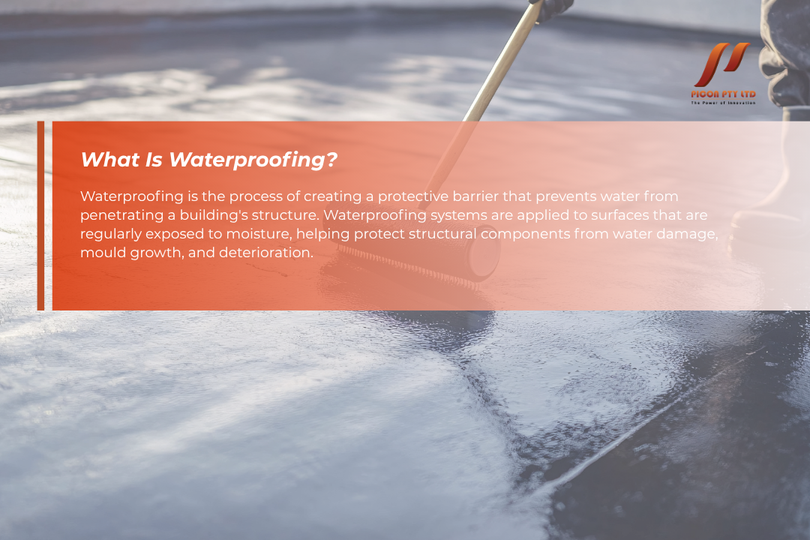
Waterproofing is the process of creating a protective barrier that prevents water from penetrating a building’s structure. Waterproofing systems are applied to surfaces that are regularly exposed to moisture, helping protect structural components from water damage, mould growth, and deterioration.
Unlike water-resistant materials that simply slow water absorption, waterproofing systems are designed to stop water from passing through the protected surface.
Modern waterproofing products include liquid membranes, sheet membranes, cementitious coatings, bituminous membranes, polyurethane systems, and specialised sealants, each designed for specific building applications.
Why Waterproofing Is So Important
A complete waterproofing guide begins with understanding why waterproofing should never be overlooked.
Water damage often develops gradually, making problems difficult to detect until significant structural damage has already occurred. Moisture that enters walls, floors, or ceilings can weaken building materials, damage finishes, encourage mould growth, and reduce indoor air quality.
Proper waterproofing protects not only the visible surfaces of a home but also the hidden structural components behind them.
Effective waterproofing also reduces long-term maintenance costs by preventing expensive repairs caused by leaks, timber decay, corrosion, and damaged finishes.
For homeowners, investing in quality waterproofing during construction is usually far less expensive than repairing water damage later.
Common Areas That Require Waterproofing
Not every part of a home requires the same level of waterproof protection. Some areas experience constant moisture exposure and therefore need specially designed waterproofing systems.
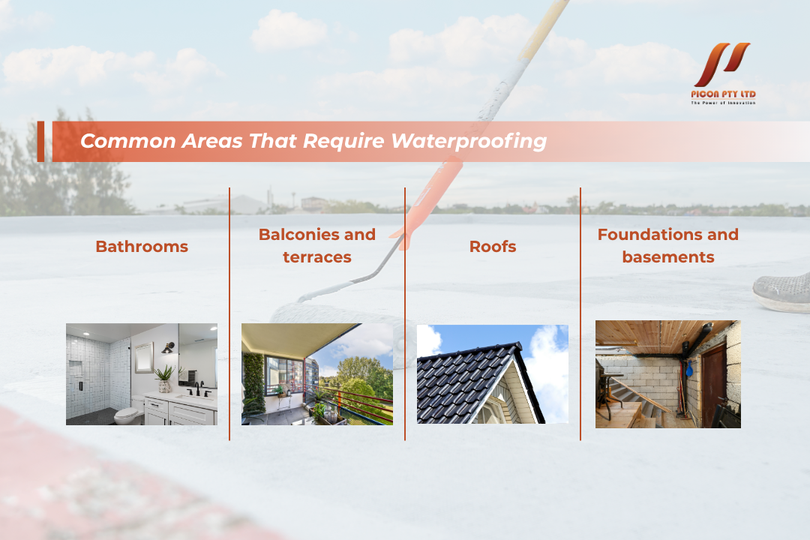
Bathrooms are among the most important waterproofed areas because showers, baths, and basins generate regular water exposure. Floors, shower recesses, wall junctions, and penetrations around plumbing fixtures all require careful waterproofing.
Balconies and terraces also require waterproof membranes to prevent rainwater from entering the structure beneath.
Roofs rely on waterproofing systems to protect against rainfall while allowing water to drain efficiently.
Foundations and basements require waterproof barriers to prevent groundwater from entering the building.
Laundry rooms, kitchens, retaining walls, planter boxes, and swimming pools may also require waterproof protection depending on their design.
Waterproofing Requirements in Australia
Australia has strict building standards for waterproofing to ensure homes remain safe and durable.
Waterproofing work must comply with the relevant requirements of the National Construction Code (NCC) and applicable Australian Standards, particularly AS 3740, which covers waterproofing of domestic wet areas.
These standards specify where waterproof membranes are required, how they should be installed, and the minimum performance expectations for residential buildings.
Following Australian standards helps ensure waterproofing systems provide long-term protection while reducing the risk of future building defects.
Working with qualified waterproofing professionals is essential to achieve compliance and maximise system performance.
Types of Waterproofing Systems
There are several waterproofing systems available, each designed for different applications.
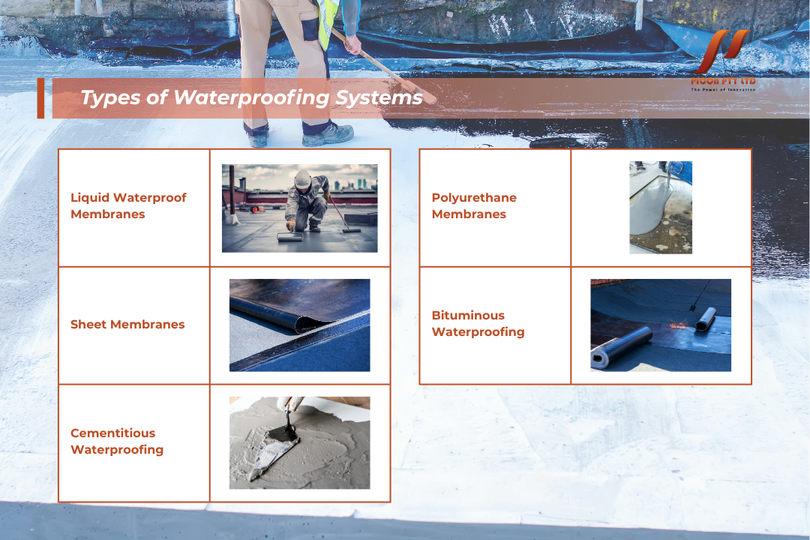
Liquid Waterproof Membranes
Liquid-applied membranes are one of the most common waterproofing solutions for residential construction.
The waterproof coating is applied using rollers, brushes, or spray equipment, creating a seamless protective layer after curing.
Because there are no joints, liquid membranes reduce potential weak points where water could penetrate.
These systems are widely used in bathrooms, balconies, terraces, and rooftops.
Sheet Membranes
Sheet membranes consist of pre-manufactured waterproof sheets bonded directly to the building surface.
They provide consistent membrane thickness and excellent waterproof performance when installed correctly.
Sheet membranes are commonly used beneath tiled showers, balconies, retaining walls, and below-ground structures.
Proper installation is essential because joints between sheets must be carefully sealed to maintain waterproof integrity.
Cementitious Waterproofing
Cement-based waterproof coatings are frequently used for concrete surfaces, retaining walls, basements, water tanks, and swimming pools.
These coatings bond well to masonry and concrete while providing reliable waterproof protection.
Cementitious waterproofing is relatively easy to apply and performs well in permanently wet environments.
Polyurethane Membranes
Polyurethane waterproofing systems offer excellent flexibility and crack-bridging performance.
They are often selected for exposed balconies, rooftops, podium decks, and areas subject to movement.
Polyurethane membranes also provide strong resistance against ultraviolet exposure when designed for external applications.
Bituminous Waterproofing
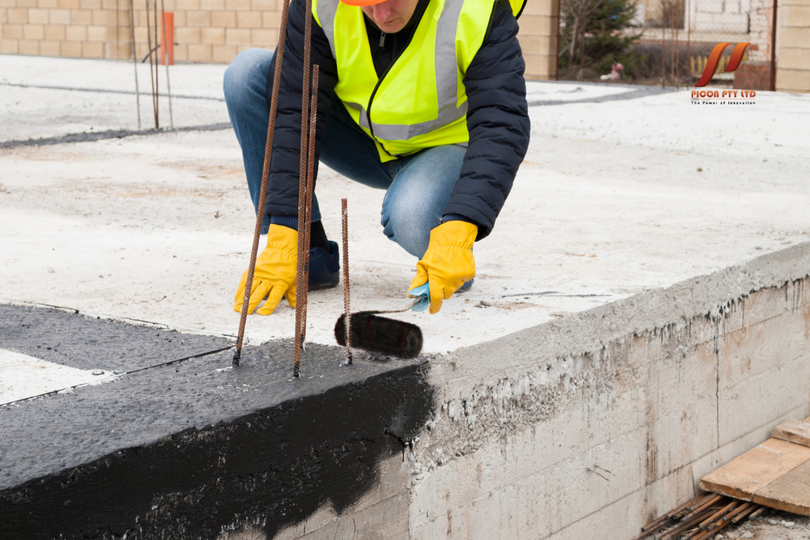
Bituminous membranes have been widely used for many years in roofing and foundation waterproofing.
These products provide excellent moisture protection and are particularly suitable for below-ground applications where long-term water resistance is required.
Why Proper Installation Matters
Even the highest-quality waterproof products cannot perform effectively if installed incorrectly.
Surface preparation is one of the most important steps in the waterproofing process. Surfaces must be clean, dry, and structurally sound before waterproof membranes are applied.
Corners, junctions, expansion joints, and service penetrations require additional attention because these locations are more vulnerable to water penetration.
Manufacturers specify minimum membrane thickness, curing times, and application methods that should always be followed.
Skipping installation steps or applying membranes too thinly can significantly reduce waterproof performance.
Professional installation helps ensure the system performs as intended for many years.
Waterproofing and Building Durability
An important part of any waterproofing guide is understanding how waterproofing contributes to long-term building performance.
Water is responsible for many common building problems, including timber decay, corrosion of steel components, damaged insulation, mould growth, peeling paint, and cracked finishes.
Preventing water from entering the building structure protects these materials and significantly extends their service life.
Good waterproofing also helps preserve indoor air quality by reducing dampness and mould, creating a healthier living environment for occupants.
Waterproofing and Energy Efficiency
Waterproofing also supports better energy efficiency.
Moisture within insulation materials reduces their thermal performance, making heating and cooling systems work harder.
Keeping wall cavities and roof spaces dry helps insulation perform as intended while improving indoor comfort.
Waterproofing also protects air barriers and vapour control layers that contribute to overall building energy performance.
When combined with quality insulation, waterproofing helps create more comfortable and energy-efficient homes.
Common Waterproofing Problems
Many waterproofing failures result from poor workmanship rather than defective products.
Insufficient membrane thickness, poor surface preparation, incorrect detailing around drains and corners, or inadequate curing can all lead to water penetration.
Building movement can also damage waterproof membranes if expansion joints are not properly designed.
Regular inspections allow homeowners to identify small issues before major structural damage develops.
Early repairs are generally much less expensive than extensive remediation after prolonged water damage.
Choosing the Right Waterproofing System
Selecting the appropriate waterproofing system depends on several important factors.
The location is one of the biggest considerations. Bathrooms, roofs, basements, balconies, and retaining walls all require different waterproofing solutions.
Exposure to sunlight also influences product selection because external membranes require ultraviolet resistance.
Expected movement within the building should be considered, particularly for balconies and suspended slabs where flexible membranes often perform better.
Compatibility with tiles, concrete, timber, or other finishing materials is another important consideration.
Finally, always choose products that comply with Australian Standards and are suitable for the intended application.
Waterproofing Maintenance
Although waterproof membranes are designed for long service life, regular maintenance helps maximise their performance.
Homeowners should inspect tiled areas, balconies, roofs, and external joints for signs of cracking, loose sealants, or water ponding.
Blocked drains should be cleared promptly to prevent standing water from placing unnecessary stress on waterproof systems.
Roof gutters and downpipes should also be maintained to ensure efficient drainage during heavy rainfall.
Addressing minor defects early helps prevent more serious water damage from developing.
Choosing a Reliable Waterproofing Supplier
Quality materials are just as important as proper installation.
Reliable suppliers provide waterproofing products that have been tested to Australian Standards and are supported by technical documentation and installation guidance.
Experienced suppliers can recommend suitable waterproofing systems based on the project type, environmental conditions, and construction materials involved.
Working with trusted suppliers helps ensure both builders and homeowners receive products designed to deliver long-term performance.
Final Thoughts
Protecting a home from water damage begins long before the first rainfall. Proper waterproofing is one of the most important investments in any residential construction or renovation project, helping preserve structural integrity, improve indoor comfort, and reduce costly future repairs.
This waterproofing guide has explored the different waterproofing systems available, where waterproofing should be applied, Australian requirements, and the factors to consider when selecting the right solution.
Whether you’re building a new home, renovating a bathroom, installing a balcony, or protecting a foundation, choosing quality waterproofing products and ensuring professional installation will provide long-lasting protection and peace of mind.
By investing in effective waterproofing today, homeowners can enjoy safer, healthier, and more durable homes for many years to come.
Protect Your Home with Waterproofing Solutions from Picon
Quality waterproofing is essential for protecting your investment. At Picon, we supply high-performance waterproofing materials for residential and commercial construction, helping builders, contractors, and homeowners create buildings that stand up to Australia’s diverse climate.
Whether you’re waterproofing a bathroom, balcony, roof, or foundation, our experienced team can help you choose the right products for long-lasting protection. Contact Picon today to learn more about our waterproofing solutions and discover how we can support your next construction project.