Structural Steel Guide for Builders and Homeowners
When it comes to building a home, commercial property, or renovation project, choosing the right construction materials can make a significant difference in durability, safety, and long-term costs. Steel has become one of the most trusted materials in modern construction thanks to its strength, versatility, and sustainability. Whether you’re a professional builder or a homeowner planning your dream home, understanding the basics of structural steel can help you make better decisions throughout your project.
This structural steel guide explains everything you need to know, from what structural steel is and why it’s widely used, to the different types available and how to choose the right products for your construction project.
What Is Structural Steel?
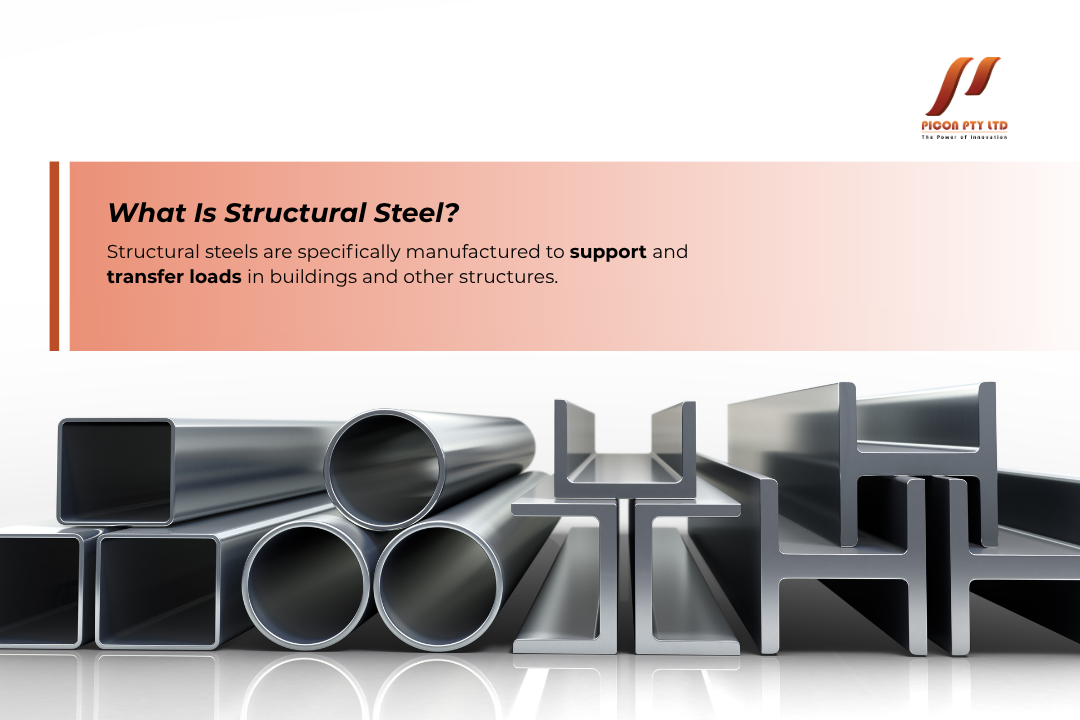
Structural steel refers to steel products that are specifically manufactured to support and transfer loads in buildings and other structures. Unlike decorative or thin sheet steel, structural steel is designed with specific shapes and grades that provide exceptional strength while maintaining a relatively lightweight profile.
You’ll commonly find structural steel used in residential homes, commercial buildings, warehouses, industrial facilities, bridges, schools, and many other types of construction. It forms the skeleton of many modern buildings, supporting walls, floors, roofs, and other structural components.
Thanks to advanced manufacturing processes, structural steel products are produced with precise dimensions and consistent quality, making them reliable for both large-scale developments and smaller residential projects.
Why Structural Steel Is Becoming More Popular
Over the past few decades, builders around the world have increasingly turned to steel instead of traditional materials like timber. One of the biggest reasons is its outstanding strength-to-weight ratio.
Steel can support heavy loads without requiring oversized sections, allowing architects and engineers greater flexibility when designing buildings. Larger open spaces, longer spans, and modern architectural styles become much easier to achieve.
Durability is another major advantage. Unlike timber, structural steel will not warp, twist, split, or shrink as environmental conditions change. It also provides excellent resistance against termites, mould, and fungal decay, reducing maintenance concerns over the building’s lifespan.
Many homeowners also appreciate the long-term value that structural steel offers. Although initial costs can sometimes be comparable to or slightly higher than alternative materials, lower maintenance requirements and increased longevity often result in lower lifetime ownership costs.
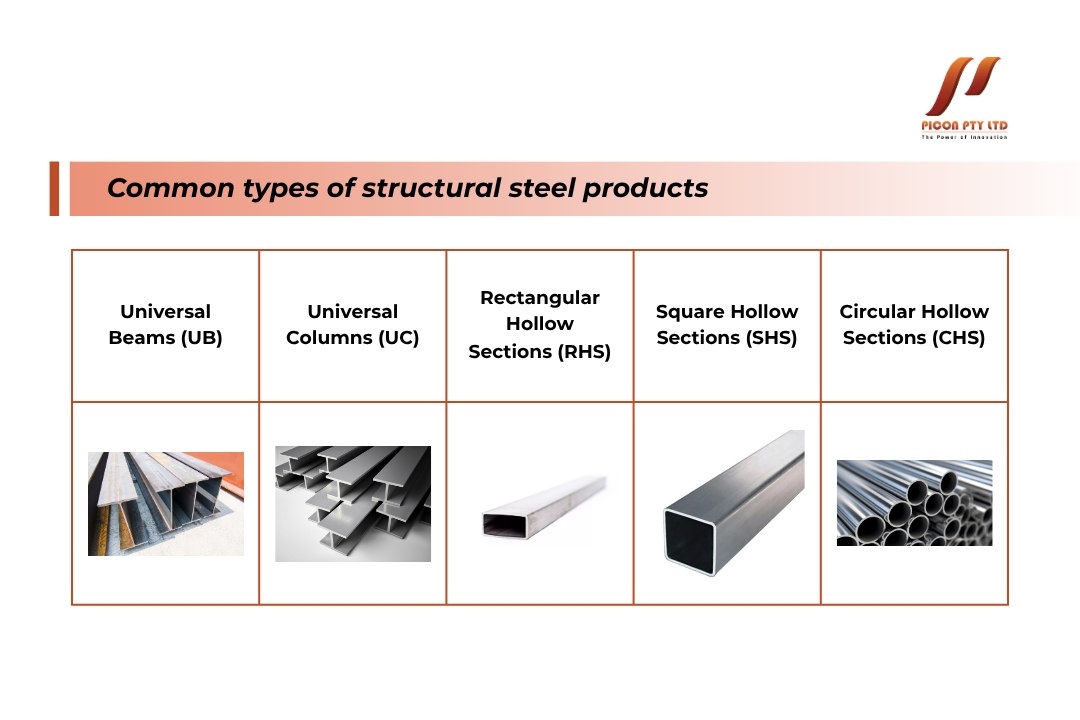
Common Types of Structural Steel Products
A complete structural steel guide should include an overview of the most commonly used steel sections found in construction projects.
Universal Beams (UB) are among the most recognisable structural members. They are designed primarily for carrying heavy loads across long spans and are frequently used as floor beams, roof beams, and support beams in commercial and residential buildings.
Universal Columns (UC) have similar characteristics but feature nearly equal flange and web dimensions, making them ideal for vertical load-bearing applications.
Rectangular Hollow Sections (RHS) and Square Hollow Sections (SHS) are widely used because they combine strength with a clean appearance. Their enclosed shape also provides good torsional resistance, making them suitable for columns, frames, gates, fences, pergolas, and architectural structures.
Circular Hollow Sections (CHS) are commonly selected for projects where appearance is important or where multi-directional loading is expected. Their smooth profile is often seen in modern architectural designs.
Steel channels, angles, and flat bars also play important supporting roles in many construction applications, including framing, bracing, equipment supports, and custom fabrication.
Each type of structural steel serves a specific purpose, which is why engineers carefully select sections based on loading requirements and design standards.
Understanding Steel Grades
Not all structural steel is exactly the same. Different grades are manufactured to provide different levels of strength, ductility, weldability, and corrosion resistance.
Steel grades are established according to national or international standards, ensuring builders receive products with predictable mechanical properties.
For most residential and commercial construction, builders typically use structural steel grades that balance strength with ease of fabrication and welding. Engineers specify the appropriate grade based on factors such as building height, expected loads, environmental exposure, and local building regulations.
Using the correct steel grade is essential because stronger steel does not automatically mean a better building. The chosen material must match the engineering design to ensure both safety and cost efficiency.
Advantages of Structural Steel in Residential Construction
Many homeowners assume steel framing is only suitable for large commercial buildings. In reality, steel has become increasingly popular in residential housing as well.
One significant benefit is design flexibility. Structural steel allows larger open-plan living areas without requiring numerous internal support walls. This creates modern layouts with spacious kitchens, dining rooms, and living spaces that many homeowners prefer.
Steel also performs exceptionally well during seasonal weather changes. Since it does not expand and contract like timber due to moisture, walls remain straighter and finishes are less likely to develop cracks caused by frame movement.
For homeowners living in termite-prone regions, steel offers additional peace of mind. Because termites cannot consume steel, one of the biggest maintenance concerns associated with timber framing is eliminated.
Builders also appreciate the accuracy of prefabricated steel components. Factory-manufactured members arrive cut to precise dimensions, reducing on-site adjustments and speeding up installation.
Sustainability and Environmental Benefits
An important section in any modern structural steel guide is sustainability.
Steel is one of the world’s most recycled construction materials. Unlike many building products, steel can be recycled repeatedly without losing its strength or quality.
Many structural steel products already contain recycled material, helping reduce the demand for raw resources while supporting circular manufacturing practices.
Steel construction can also generate less waste on-site because components are manufactured to exact specifications. Offcuts and unused material can often be recycled rather than discarded.
The long service life of steel buildings further contributes to sustainability by reducing the frequency of major repairs or replacement over the building’s lifetime.
Fire Performance and Safety
A common misconception is that steel buildings are unsafe during fires. While steel can lose strength at extremely high temperatures, modern buildings are designed with fire protection measures that address this concern.
Depending on the project, structural steel may be protected using fire-resistant coatings, concrete encasement, or fire-rated cladding systems. These protective methods help maintain structural integrity long enough for occupants to evacuate safely and for emergency services to respond.
Structural steel also offers predictable performance during engineering analysis, allowing fire protection systems to be designed accurately according to building codes.
Corrosion Protection
Like any metal, steel can corrode if left exposed to moisture and harsh environmental conditions. Fortunately, several proven protection methods significantly extend its lifespan.
Galvanising is one of the most common solutions. A protective zinc coating helps prevent rust even when the surface experiences minor scratches.
Protective paint systems are another widely used option, particularly for decorative or exposed architectural steel.
For coastal environments or industrial locations with higher corrosion risks, engineers may specify enhanced coating systems designed to provide long-term protection.
Routine inspections and occasional maintenance can help structural steel remain in excellent condition for decades.
Choosing the Right Structural Steel Supplier
Selecting the right supplier is just as important as choosing the right steel products.
A reputable supplier should provide certified materials that comply with local building standards. Product traceability, quality assurance documentation, and consistent manufacturing standards help ensure every component performs as expected.
Experienced suppliers can also assist builders by recommending suitable sections, arranging custom fabrication, and coordinating timely deliveries to keep projects on schedule.
Homeowners working with builders should feel comfortable asking where the structural steel is sourced and whether it complies with relevant Australian or local construction standards.
Working with trusted suppliers reduces the risk of delays, quality issues, and unexpected project costs.
Tips for Builders and Homeowners
Construction projects often involve hundreds of individual decisions, and structural steel selection is one of the most important. Early planning allows engineers, architects, builders, and suppliers to coordinate effectively before construction begins.
Accurate engineering calculations should always determine the size and type of structural steel used. Choosing larger sections “just to be safe” may unnecessarily increase costs, while undersized members could compromise structural performance.
Proper storage before installation is equally important. Steel should be kept off the ground and protected from excessive moisture to minimise surface corrosion before construction.
During installation, experienced contractors should follow engineering drawings carefully and ensure all welding, bolting, and connections meet design specifications.
Is Structural Steel Right for Your Project?
For many residential, commercial, and industrial projects, structural steel offers an excellent combination of strength, durability, flexibility, and long-term value. It supports modern architectural designs, reduces maintenance concerns, and provides consistent performance throughout the life of a building.
While every project has unique requirements, steel continues to prove itself as one of the most reliable construction materials available today. Whether you’re building a new family home, expanding an existing property, or managing a large commercial development, understanding the basics covered in this structural steel guide can help you make more informed decisions.
By working with experienced engineers, qualified builders, and reputable steel suppliers, you can ensure your project benefits from the many advantages that structural steel has to offer. Investing time in learning about structural steel today can contribute to a stronger, safer, and more durable building for many years to come.
Need a steady steel supplier, contact us for more information.