Brick Guide for Residential and Commercial Buildings
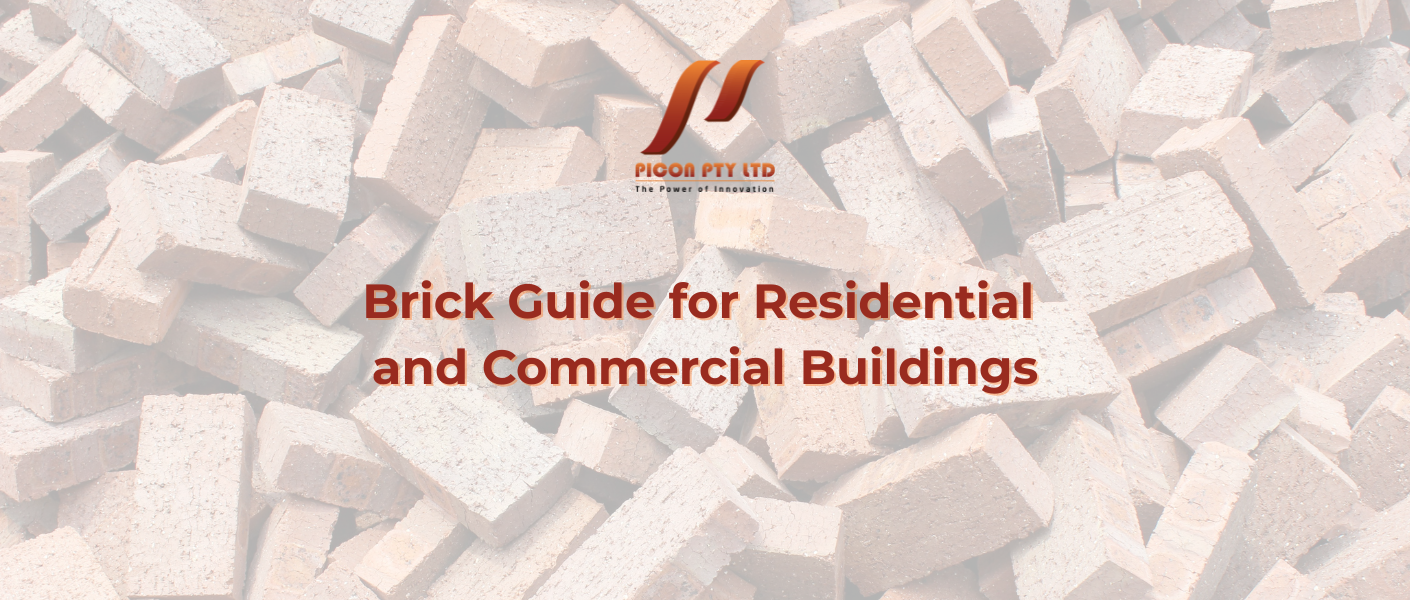
Bricks have been one of the world’s most trusted building materials for thousands of years. From traditional family homes to modern commercial buildings, bricks continue to be valued for their strength, durability, and timeless appearance. Despite the introduction of many new construction materials, brick remains a popular choice because it offers a unique combination of performance, aesthetics, and long-term value.
Whether you’re planning a new home, renovating an existing property, or managing a commercial development, understanding the different types of bricks and their applications can help you make better construction decisions. Choosing the right brick affects not only the appearance of a building but also its durability, maintenance requirements, and energy efficiency.
This brick guide explains what bricks are, the different types available, their common uses, advantages, and the factors you should consider before selecting the right bricks for your project.
What Are Bricks?
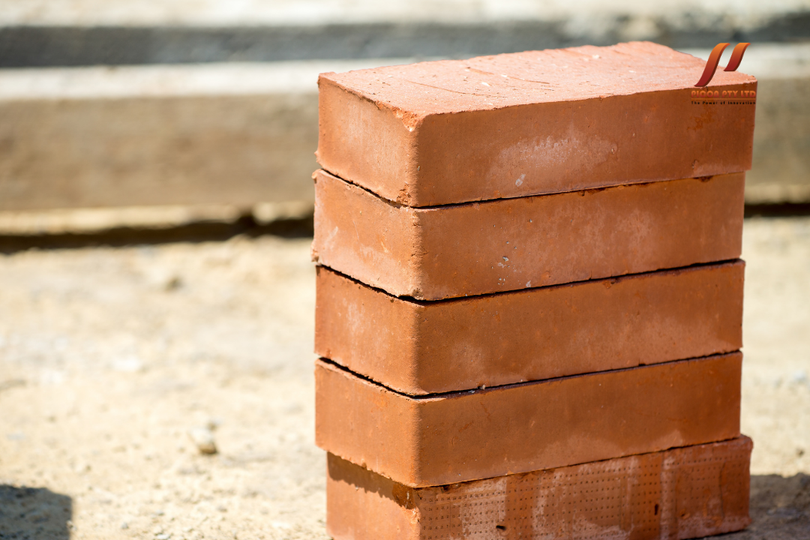
Bricks are rectangular building units made from materials such as clay, concrete, sand-lime, or fly ash. They are designed to be stacked and bonded together with mortar to create strong, durable walls and other structural elements.
Modern bricks are manufactured in a wide range of colours, textures, sizes, and finishes to suit different architectural styles. Some are designed primarily for structural strength, while others focus on decorative appearance.
Because bricks are modular, they allow builders to construct buildings with consistent quality and excellent dimensional accuracy. They are suitable for both load-bearing walls and non-structural applications such as veneers and landscaping.
Why Bricks Remain a Popular Building Material
A complete brick guide should explain why bricks continue to be widely used despite advances in modern construction materials.
One of the biggest reasons is durability. Properly built brick structures can last for more than a century with relatively little maintenance.
Bricks also offer excellent resistance to weather, fire, insects, and everyday wear. Unlike timber, bricks do not rot or attract termites, making them a reliable long-term construction material.
Another major advantage is their timeless appearance. Brick buildings rarely go out of style, and many homeowners appreciate the character and warmth that brick adds to both traditional and contemporary architecture.
Bricks also provide good thermal mass, helping regulate indoor temperatures by absorbing heat during the day and releasing it gradually as temperatures cool.
Common Types of Bricks
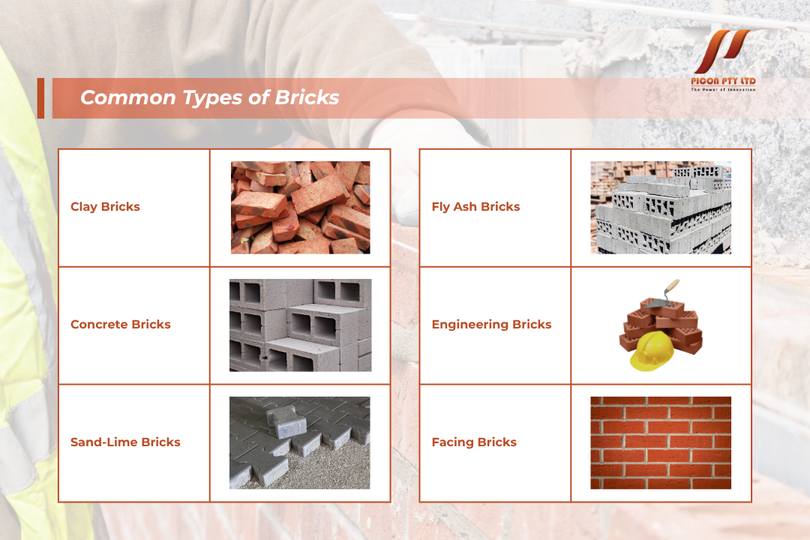
There are several types of bricks available, each designed for different construction purposes.
Clay Bricks
Clay bricks are the most traditional and widely recognised type of brick. They are manufactured by shaping natural clay and firing it at high temperatures to create a hard, durable product.
Clay bricks are available in numerous colours, textures, and finishes, making them suitable for both residential and commercial projects.
They offer excellent durability, weather resistance, and aesthetic appeal while requiring relatively little maintenance.
Concrete Bricks
Concrete bricks are made using cement, sand, aggregate, and water.
They are known for their consistent dimensions and high compressive strength, making them suitable for structural walls and commercial buildings.
Concrete bricks can also be manufactured in various colours and finishes to suit different architectural styles.
They are often chosen for projects where strength, affordability, and fast construction are priorities.
Sand-Lime Bricks
Sand-lime bricks are produced from a mixture of sand, lime, and water that is cured under high-pressure steam.
These bricks offer excellent dimensional accuracy and a smooth surface, making them ideal for projects requiring precise construction.
Sand-lime bricks also provide good sound insulation and consistent appearance.
Fly Ash Bricks
Fly ash bricks are manufactured using fly ash, cement, sand, and water.
They have become increasingly popular because they utilise industrial by-products, making them a more environmentally friendly option.
Fly ash bricks are lightweight, dimensionally accurate, and provide good thermal insulation while reducing overall construction weight.
Engineering Bricks
Engineering bricks are specially manufactured to provide very high strength and low water absorption.
They are commonly used in foundations, retaining walls, bridges, underground structures, and areas exposed to moisture or heavy loads.
Although they may not offer the decorative appearance of facing bricks, engineering bricks provide exceptional structural performance.
Facing Bricks
Facing bricks are specifically designed for visible exterior walls.
Their primary purpose is to provide an attractive finish while also protecting the building from weather.
They are available in a wide range of colours, textures, and surface finishes, allowing architects and homeowners considerable design flexibility.
Residential Uses of Bricks
Bricks remain one of the most popular building materials for residential construction.
Many homes use brick for external walls because it provides excellent durability and long-term weather protection.
Brick is also commonly used for fireplaces, feature walls, garden walls, fences, outdoor kitchens, and landscaping elements.
Brick veneer construction combines a structural frame with an outer brick layer, providing the appearance of traditional masonry while reducing overall construction weight.
Homeowners often choose brick because it creates a classic appearance that enhances property value and requires relatively little maintenance.
Commercial Applications
Commercial buildings also benefit from the strength and durability of brick construction.
Schools, hospitals, offices, shopping centres, warehouses, and apartment buildings frequently incorporate brick into their designs.
Bricks provide long service life, excellent fire resistance, and attractive architectural finishes suitable for public and commercial environments.
Because brick requires minimal maintenance, commercial property owners often enjoy lower long-term operating costs.
Read more: Concrete Guide: Types, Uses and Benefits
Advantages of Brick Construction
One of the greatest strengths of brick is its durability. Properly constructed brick buildings can remain structurally sound for generations with minimal maintenance.
Bricks also provide excellent fire resistance because they are manufactured at extremely high temperatures and do not burn.
Another major advantage is weather resistance. Brick performs well in harsh climates and can withstand years of exposure to rain, wind, and sunlight without significant deterioration.
Bricks offer excellent sound insulation, helping reduce outside noise and create quieter indoor environments.
Their thermal mass also contributes to improved energy efficiency by reducing indoor temperature fluctuations throughout the day.
Many homeowners also appreciate the low maintenance requirements of brick, as it rarely requires painting or regular surface treatments.
Factors to Consider When Choosing Bricks
Choosing the right brick depends on several important considerations.
The intended use is one of the first factors. Structural walls require different brick types than decorative landscaping or feature walls.
Climate also plays a role. In areas with frequent rainfall or freeze-thaw conditions, selecting bricks with appropriate moisture resistance is essential.
Architectural style should influence colour, texture, and finish. Traditional homes often suit classic red or brown clay bricks, while modern buildings may use lighter colours or smooth contemporary finishes.
Budget is another consideration. While premium bricks may have higher upfront costs, their durability and lower maintenance often provide excellent long-term value.
Finally, ensure the selected bricks comply with local building codes and project specifications.
Brick Maintenance
One reason bricks remain so popular is their relatively low maintenance requirements.
Regular cleaning helps remove dirt, moss, and stains while preserving the appearance of exterior walls.
Mortar joints should be inspected periodically because damaged mortar may allow moisture to enter the wall.
Repointing worn mortar joints helps maintain structural integrity and weather resistance.
Unlike many exterior finishes, brick rarely requires repainting or replacement, making it an economical long-term investment.
Sustainability and Environmental Benefits
Sustainability has become increasingly important in modern construction, and bricks offer several environmental advantages.
Their long lifespan reduces the need for replacement materials, helping conserve natural resources over time.
Many brick manufacturers also incorporate recycled materials into their production processes while improving energy efficiency during manufacturing.
Fly ash bricks make productive use of industrial by-products that might otherwise become waste.
Brick’s thermal mass contributes to improved building energy efficiency by reducing heating and cooling demands throughout the year.
Because bricks are durable and recyclable, they continue to support more sustainable construction practices.
Choosing the Right Brick Supplier
The quality of bricks plays an important role in the overall performance and appearance of a building.
Reliable suppliers provide bricks that meet recognised quality standards, offer consistent dimensions, and maintain colour uniformity across production batches.
Experienced suppliers can also recommend suitable brick types based on project requirements, local climate, and architectural design.
Working with trusted suppliers helps reduce construction delays while ensuring materials perform as expected throughout the life of the building.
Is Brick the Right Choice for Your Project?
Bricks remain one of the most reliable and versatile construction materials available today.
For homeowners seeking durability, timeless appearance, low maintenance, and excellent long-term value, brick is often an outstanding choice.
Commercial developers also benefit from brick’s strength, fire resistance, and attractive architectural qualities.
While every project has unique requirements, bricks continue to offer a balanced combination of performance, sustainability, and visual appeal that few other materials can match.
Consulting with experienced builders and material suppliers helps ensure the selected brick products are appropriate for both structural and design objectives.
Final Thoughts
Bricks have stood the test of time because they combine strength, beauty, and durability in a way that few construction materials can match. This brick guide has explored the different types of bricks, their common applications, key advantages, maintenance considerations, and the factors to consider before choosing the right products for your project.
Whether you’re building a new family home, designing a commercial development, or renovating an existing property, selecting quality bricks can improve your building’s appearance, structural performance, and long-term value.
By working with experienced professionals and choosing high-quality materials, you can create buildings that remain attractive, durable, and energy-efficient for generations.
Build with Confidence Using Quality Bricks from Picon
The right bricks provide the strength, durability, and appearance that every successful building project deserves. At Picon, we supply high-quality construction materials for residential and commercial developments, helping builders, contractors, architects, and homeowners choose products that meet both performance and design requirements.
Whether you’re building a new home, upgrading an existing property, or managing a large-scale construction project, our experienced team can help you find the right brick solutions. Contact Picon today to learn more about our building materials and discover how we can support your next project.