Insulation Materials Guide for Better Energy Efficiency
A comfortable home is about more than just heating and cooling systems. One of the biggest factors that affects indoor comfort and energy efficiency is insulation. Good insulation helps keep your home warm during winter, cool during summer, and reduces the amount of energy needed to maintain a comfortable temperature throughout the year.
Whether you’re building a new home, renovating an existing property, or looking to lower your energy bills, choosing the right insulation material is an important decision. With so many products available, it can be difficult to know which one best suits your needs.
This insulation materials guide explains the different types of insulation, how they work, their advantages, and the key factors to consider before choosing the right insulation for your home.
What Is Insulation?
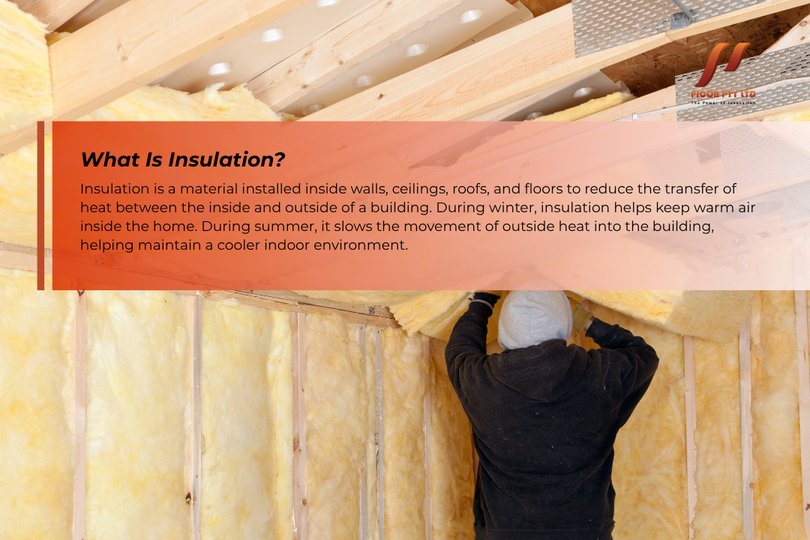
Insulation is a material installed inside walls, ceilings, roofs, and floors to reduce the transfer of heat between the inside and outside of a building. During winter, insulation helps keep warm air inside the home. During summer, it slows the movement of outside heat into the building, helping maintain a cooler indoor environment.
Without proper insulation, heating and cooling systems have to work much harder to maintain comfortable temperatures. This increases energy consumption, utility costs, and greenhouse gas emissions.
Modern insulation products are designed to improve thermal performance while also contributing to noise reduction, moisture control, and overall building comfort.
Why Insulation Matters
A complete insulation materials guide should begin by explaining why insulation plays such an important role in modern homes.
Heating and cooling account for a significant portion of household energy use. Poorly insulated buildings lose heat quickly during winter and absorb excessive heat during summer, making indoor temperatures uncomfortable and increasing electricity or gas bills.
Installing high-quality insulation helps reduce energy waste by creating a thermal barrier around the building. As a result, heating and cooling systems operate more efficiently, often leading to noticeable savings on energy costs over time.
Insulation also improves indoor comfort by reducing temperature fluctuations between rooms. Instead of experiencing hot upstairs bedrooms or cold living areas, a well-insulated home maintains more consistent temperatures throughout the building.
In addition to thermal performance, many insulation materials provide soundproofing benefits by reducing noise transfer between rooms and from outside sources such as traffic or neighbours.
Understanding R-Value
Before choosing insulation, it’s helpful to understand one of the most important performance measurements: the R-value.
The R-value measures how well an insulation material resists heat flow. A higher R-value indicates better thermal resistance, meaning the material provides greater insulation performance for a given thickness.
The ideal R-value depends on your local climate, building design, and where the insulation will be installed. Roofs often require higher R-values than walls because they receive the greatest amount of direct solar heat.
While R-value is important, proper installation is equally essential. Even the highest-performing insulation cannot deliver its full benefits if gaps, compression, or poor workmanship reduce its effectiveness.
Fibreglass Insulation
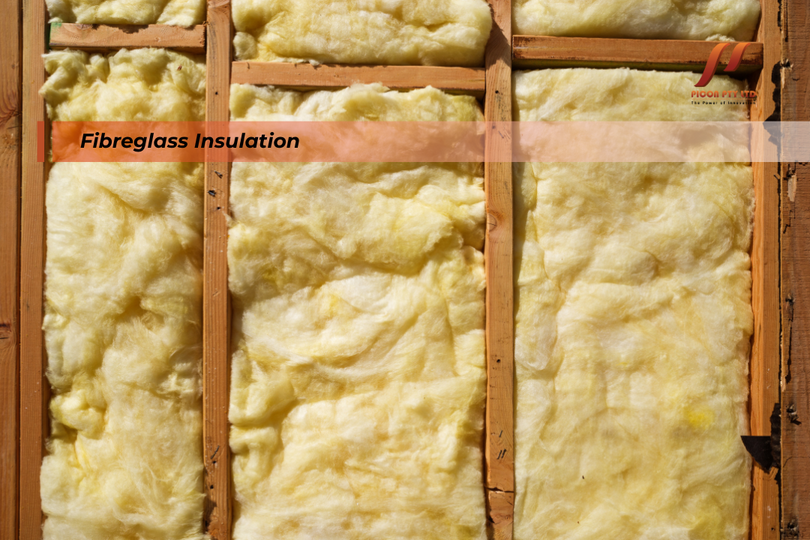
Fibreglass insulation is one of the most widely used insulation materials in residential construction. It is manufactured from fine glass fibres that trap air, helping reduce heat transfer.
Fibreglass is commonly available as batts, rolls, or loose-fill insulation, making it suitable for walls, ceilings, floors, and roof spaces.
One of its biggest advantages is affordability. Fibreglass provides reliable thermal performance at a relatively low cost, making it popular for both new construction and renovation projects.
It is also non-combustible and resistant to moisture damage when properly installed.
However, installation should be carried out carefully because the fine fibres can irritate the skin, eyes, and respiratory system without appropriate protective equipment.
Rock Wool (Mineral Wool)
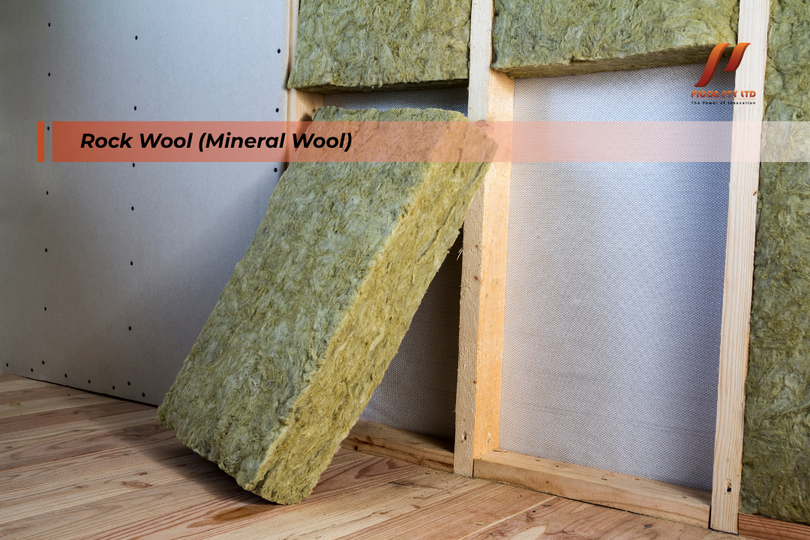
Rock wool, also known as mineral wool, is produced from natural rock or recycled industrial materials that are melted and spun into fibres.
This insulation material offers excellent thermal performance while also providing outstanding sound insulation.
One of the major benefits of rock wool is its exceptional fire resistance. Because it is manufactured from stone, it can withstand extremely high temperatures without contributing to fire spread.
Rock wool also resists moisture, mould, and pests, making it suitable for a wide range of residential and commercial applications.
Although it generally costs more than fibreglass insulation, many homeowners choose it for its superior acoustic and fire performance.
Cellulose Insulation
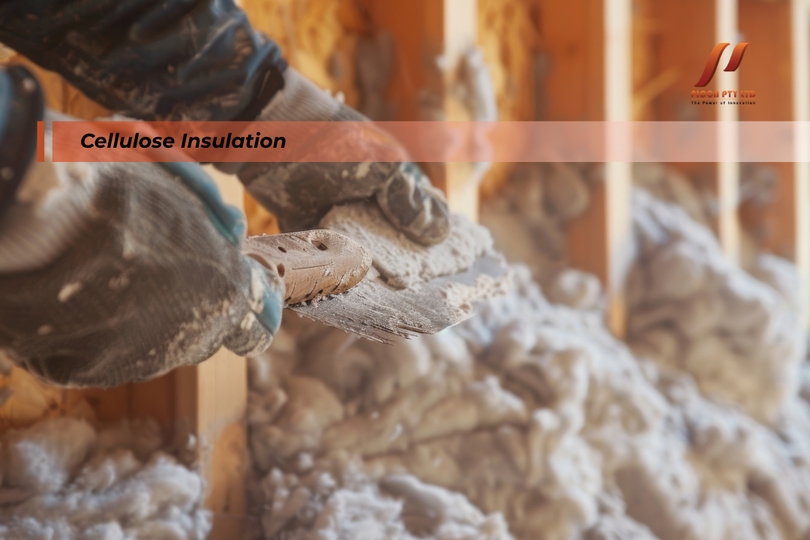
Cellulose insulation is made primarily from recycled paper products that have been treated with fire-resistant chemicals.
It is often installed as loose-fill insulation, allowing it to fill irregular spaces and small gaps effectively.
Cellulose is considered one of the more environmentally friendly insulation options because it contains a high percentage of recycled content.
Its dense composition also provides excellent sound insulation while helping reduce unwanted air movement within wall cavities.
Professional installation is generally recommended to achieve consistent coverage and avoid settling over time.
Spray Foam Insulation
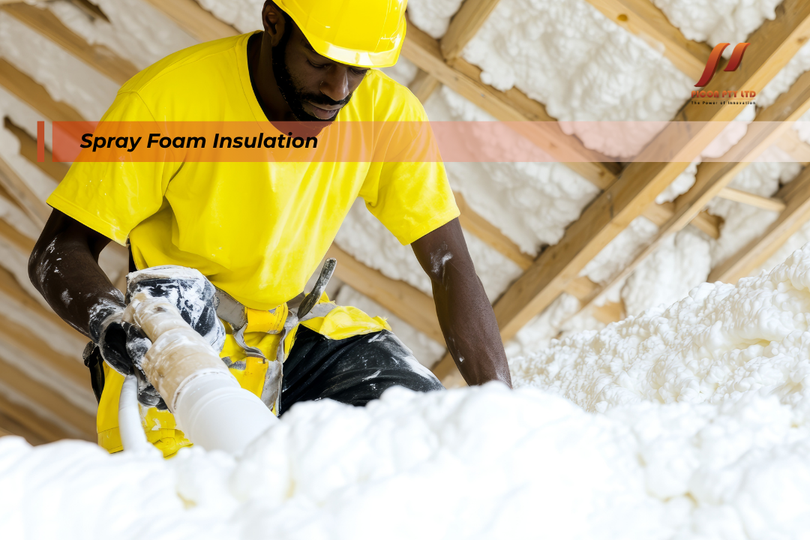
Spray foam insulation has become increasingly popular due to its ability to provide both insulation and air sealing in a single application.
During installation, the liquid foam expands rapidly to fill cracks, gaps, and difficult-to-reach spaces before hardening.
This creates an effective barrier against both heat transfer and unwanted air leakage.
Spray foam is especially useful in areas where traditional insulation products may not fit easily, such as around pipes, electrical wiring, or irregular framing.
Although spray foam delivers excellent energy efficiency, it is typically one of the more expensive insulation options and requires professional installation.
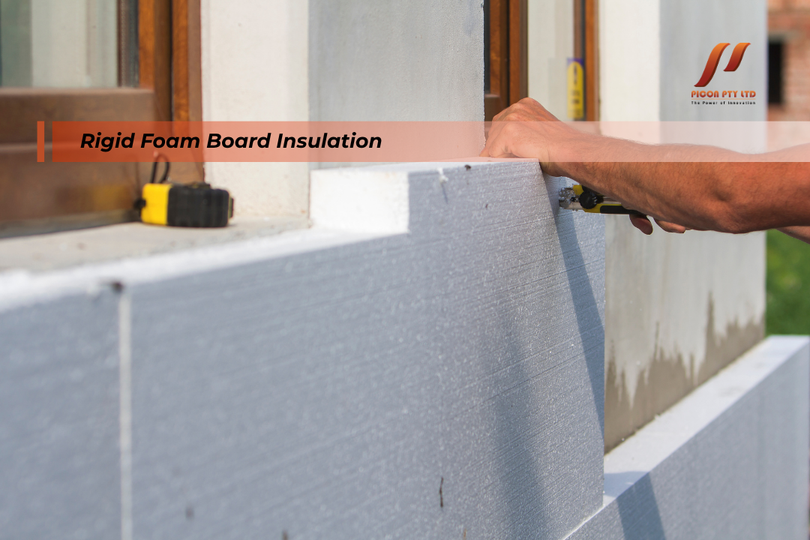
Rigid Foam Board Insulation
Rigid foam boards are manufactured in solid panels that provide high insulation performance with relatively little thickness.
These boards are commonly used in exterior walls, foundations, roofs, and beneath concrete slabs.
Rigid foam offers excellent moisture resistance, making it suitable for below-ground or damp environments.
Because of its high insulating value, rigid foam is frequently selected where space is limited but strong thermal performance is required.
Proper installation is important to minimise gaps between panels and maximise energy efficiency.
Reflective Foil Insulation
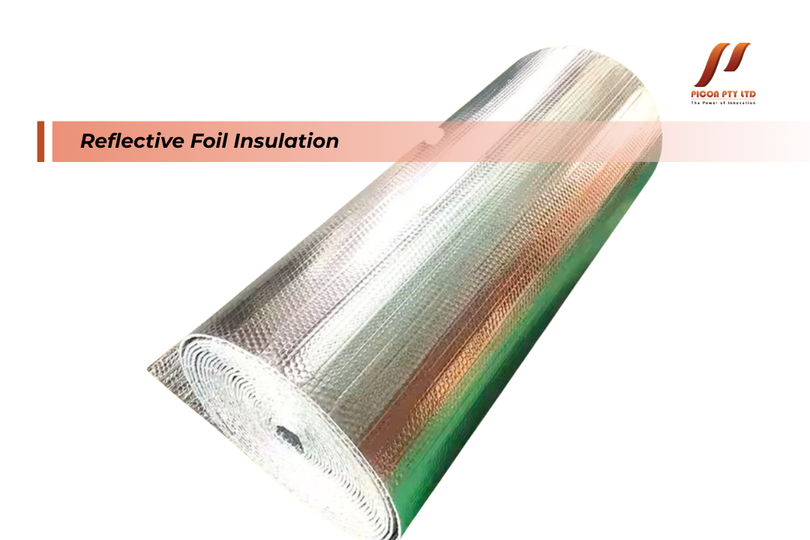
Reflective foil insulation works differently from traditional insulation materials.
Instead of slowing conductive heat transfer, reflective foil reduces radiant heat by reflecting thermal energy away from the building.
This makes it particularly effective in hot climates where solar heat gain is a major concern.
Reflective foil is often installed beneath roofing materials to reduce attic temperatures and improve indoor comfort during summer.
For the best results, reflective foil usually works alongside bulk insulation rather than replacing it entirely.
Where Insulation Should Be Installed
Proper insulation placement is just as important as selecting the right material.
The roof and ceiling are among the most important areas because a large percentage of heat enters or escapes through the roof. Well-insulated ceilings can significantly improve year-round comfort.
Wall insulation helps maintain stable indoor temperatures while reducing noise transfer between rooms and from outside sources.
Floor insulation can improve comfort by reducing cold floors during winter while helping minimise heat loss through the foundation.
Insulating around pipes, ductwork, and other building penetrations also helps improve overall energy efficiency by reducing unwanted air leakage.
When all parts of the building envelope work together, the home’s overall thermal performance improves significantly.
Moisture and Ventilation
An effective insulation materials guide should also explain the relationship between insulation and moisture control.
While insulation helps regulate temperature, proper ventilation is necessary to prevent condensation inside walls and roof cavities.
Moisture trapped within insulation can reduce its thermal performance and increase the risk of mould growth or timber decay.
Modern building designs often combine insulation with vapour barriers, breathable membranes, and controlled ventilation systems to maintain healthy indoor environments.
Choosing insulation that suits your local climate and building design helps minimise moisture-related issues over the long term.
Sustainability and Environmental Impact
Many homeowners now consider environmental performance when selecting insulation materials.
Products made from recycled glass, recycled paper, or natural fibres help reduce waste while conserving natural resources.
Some insulation materials also require less energy to manufacture, lowering their overall environmental footprint.
High-quality insulation contributes to sustainability by reducing household energy consumption throughout the life of the building. Lower heating and cooling demands mean fewer greenhouse gas emissions and reduced operating costs.
When selecting insulation, it’s worth considering both the environmental impact of the product itself and the long-term energy savings it can provide.
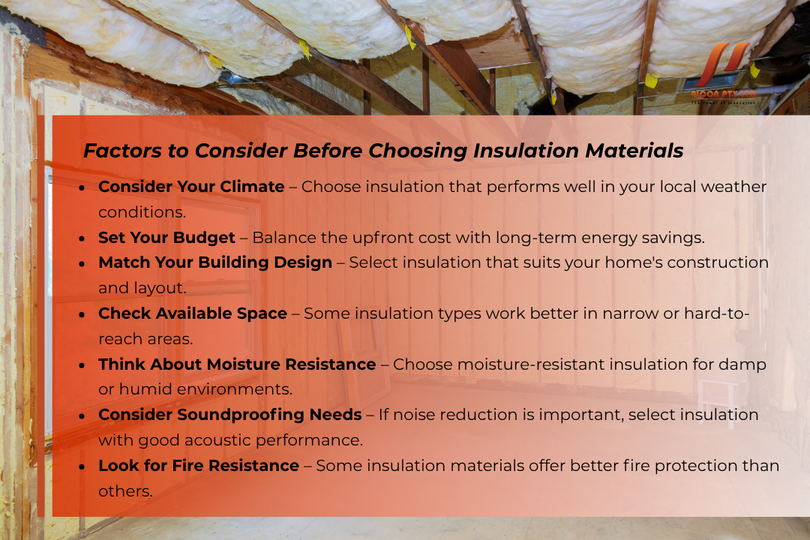
Choosing the Right Insulation Material
There is no single insulation product that is best for every home.
The right choice depends on factors such as climate, budget, building design, available installation space, moisture conditions, and whether soundproofing or fire resistance is a priority.
Some homes benefit from combining multiple insulation materials. For example, reflective foil beneath the roof can be paired with fibreglass batts in the ceiling to improve overall thermal performance.
Professional builders and insulation specialists can recommend products that comply with local building codes while achieving the desired energy efficiency targets.
Proper installation is equally important. Even premium insulation products perform poorly if gaps, compression, or installation errors reduce their effectiveness.
The Long-Term Benefits of Quality Insulation
Investing in quality insulation offers benefits that extend well beyond lower energy bills.
A well-insulated home is more comfortable throughout the year, with fewer hot or cold spots and more stable indoor temperatures.
Heating and cooling systems experience less strain, which may extend their lifespan and reduce maintenance requirements.
Good insulation can also improve indoor acoustics by reducing outside noise and limiting sound transfer between rooms.
Perhaps most importantly, energy-efficient homes are becoming increasingly attractive to buyers, making insulation a valuable long-term investment that can enhance property value.
Final Thoughts
Choosing the right insulation is one of the smartest investments you can make in your home. This insulation materials guide has explained how insulation works, the different types available, and the factors that influence the best choice for different building projects.
Whether you select fibreglass, rock wool, cellulose, spray foam, rigid foam boards, or reflective foil, the goal is the same: creating a home that is comfortable, energy-efficient, and economical to operate.
By combining the right insulation materials with proper installation and good building design, homeowners can enjoy lower energy bills, improved indoor comfort, reduced environmental impact, and a healthier living environment for many years to come.
Looking for the Right Insulation Solution?
Choosing the right insulation is easier when you have expert advice and quality products. At Picon, we supply high-performance insulation solutions designed to improve energy efficiency, indoor comfort, and long-term building performance for residential and commercial projects.
Whether you’re building a new home, renovating, or upgrading your existing insulation, our team can help you find the right solution for your needs. Contact Picon today to learn more about our insulation products and discover how we can help make your next project more comfortable and energy-efficient.