Construction Materials Guide: How to Choose the Right Products
Choosing the right construction materials is one of the most important parts of any building project. Whether you are planning a new home, a renovation, a commercial fit-out, or a larger development, the materials you select will affect the strength, durability, appearance, comfort, maintenance requirements, and overall cost of the finished building.
With so many products available, it can be difficult to know where to start. Timber, steel, concrete, bricks, insulation, cladding, roofing, flooring, waterproofing, and composite products all serve different purposes and perform differently under changing environmental conditions.
A material that works well for one project may not be suitable for another.
This construction materials guide explains how to compare building products, what factors should influence your decision, and how to choose materials that suit your project, budget, climate, and long-term expectations.
Why Material Selection Matters
Construction materials do much more than simply form the walls, floors, and roof of a building. They affect almost every aspect of building performance.
Structural materials determine how safely loads are transferred through the building. Insulation influences indoor temperature and energy use. External cladding protects the structure from weather. Waterproofing keeps moisture away from hidden components. Flooring and finishes affect comfort, durability, and appearance.
Poor material selection can lead to problems such as cracking, corrosion, moisture damage, excessive maintenance, poor thermal performance, or premature replacement.
The cheapest product at the time of purchase may eventually become the most expensive if it requires frequent repairs or does not suit the environment.
Good material selection starts with understanding what each product needs to do and how it will interact with the rest of the building.
Start with the Project Requirements
Before comparing individual products, begin by defining the requirements of the project.
A residential renovation has different needs from a warehouse, apartment building, school, or industrial facility. Even within a home, different rooms require different materials.
A bathroom needs moisture-resistant linings and waterproof systems, while a living room may prioritise acoustic performance and appearance. External walls need weather resistance, while internal partitions may focus on fire rating, sound control, and ease of installation.
The building height, structural loads, architectural design, budget, climate, maintenance expectations, and local regulations should all be considered before products are selected.
This approach prevents decisions from being based only on appearance or price.
Structural Strength and Load Requirements
One of the first considerations in any construction materials guide is structural performance.
Materials used for foundations, framing, beams, columns, floors, and roofs must be capable of supporting the loads placed on them.
Concrete is commonly used for foundations, slabs, walls, and structural elements because of its excellent compressive strength.
Steel is widely used where high strength, long spans, dimensional accuracy, and relatively lightweight components are required.
Timber can provide efficient structural framing for residential and low-rise buildings, particularly when correctly graded and engineered.
Engineered timber products such as laminated veneer lumber and cross-laminated timber can also provide strong and predictable structural performance.
The correct material depends on the building design and engineering requirements. Structural products should never be substituted without confirming that the alternative provides equivalent performance.
Durability and Expected Lifespan
Durability is another major factor when comparing construction materials.
Some materials naturally resist weathering, pests, moisture, and corrosion, while others require coatings, treatments, or ongoing maintenance.
Brick, concrete, and properly protected steel can provide long service lives.
Timber can also last for decades when the correct species, treatment level, and protective coatings are used.
External products must be selected according to the conditions they will face. Coastal buildings, for example, require materials and fixings that can withstand salt exposure. Tropical climates demand strong resistance to moisture, termites, and mould.
The expected service life of a product should always be considered alongside its purchase price.
A durable product that costs more initially may offer better long-term value than a cheaper product that needs frequent replacement.
Climate and Environmental Conditions
Australia has a wide range of climate zones, and construction materials should be chosen accordingly.
Hot climates require materials that can cope with intense ultraviolet exposure and high surface temperatures.
Cold regions may need stronger insulation and products that tolerate repeated temperature changes.
Coastal areas require corrosion-resistant metals and durable finishes.
Tropical environments place greater demands on waterproofing, drainage, ventilation, and pest resistance.
Bushfire-prone areas may require non-combustible materials and specific building systems designed to reduce ember entry and fire spread.
Heavy rainfall areas need reliable cladding, roofing, flashing, and waterproofing systems.
The environment should influence everything from roofing and cladding to fasteners, sealants, windows, and structural steel coatings.
Read more: Exterior Materials Guide for Harsh Australian Climates
Concrete
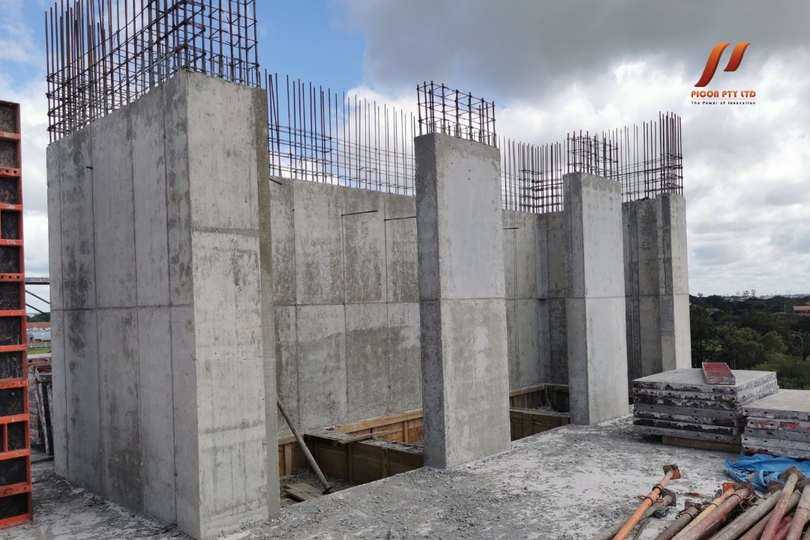
Concrete remains one of the most widely used construction materials in the world.
It is commonly used for slabs, footings, columns, walls, paths, driveways, retaining walls, and structural components.
Concrete provides excellent compressive strength, durability, fire resistance, and versatility. It can be poured into many different forms and combined with steel reinforcement to improve tensile strength.
The performance of concrete depends on the mix design, placement, reinforcement, compaction, curing, and environmental exposure.
Special concrete mixes may be required for marine areas, chemically aggressive soils, high-strength structures, or decorative applications.
Concrete is also relatively heavy and can have a high embodied carbon impact, so the quantity used should be optimised through good structural design.
Steel
Steel is valued for its strength, consistency, and versatility.
It is used in structural beams, columns, framing, roofing, reinforcement, lintels, brackets, stairs, fences, and many other construction applications.
Structural steel can support large loads and long spans, making it suitable for commercial, industrial, and residential projects.
Light-gauge steel framing offers a lightweight alternative for wall and roof systems and provides strong resistance to termites, rot, and warping.
Steel must be protected appropriately against corrosion. Galvanising, protective coatings, painted systems, or specialised steel grades may be required depending on the environment.
Steel is also highly recyclable, which can support more sustainable construction when products are selected and managed responsibly.

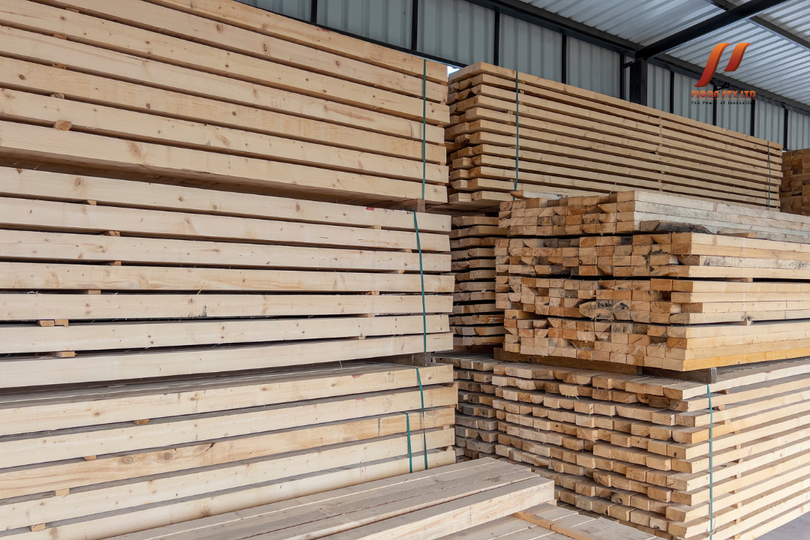
Timber
Timber remains a popular construction material because it is lightweight, easy to work with, attractive, and renewable when responsibly sourced.
It is used for framing, flooring, roofing components, cladding, decking, doors, joinery, and interior finishes.
Different timber species offer different levels of strength, durability, termite resistance, and weather performance.
Structural timber must be graded appropriately. External timber should be selected or treated for moisture and insect exposure.
Timber can also expand, shrink, twist, or crack as moisture levels change, so correct detailing and installation are important.
Engineered timber products provide greater dimensional consistency and can extend the range of structural applications available to wood-based construction.
Brick and Masonry
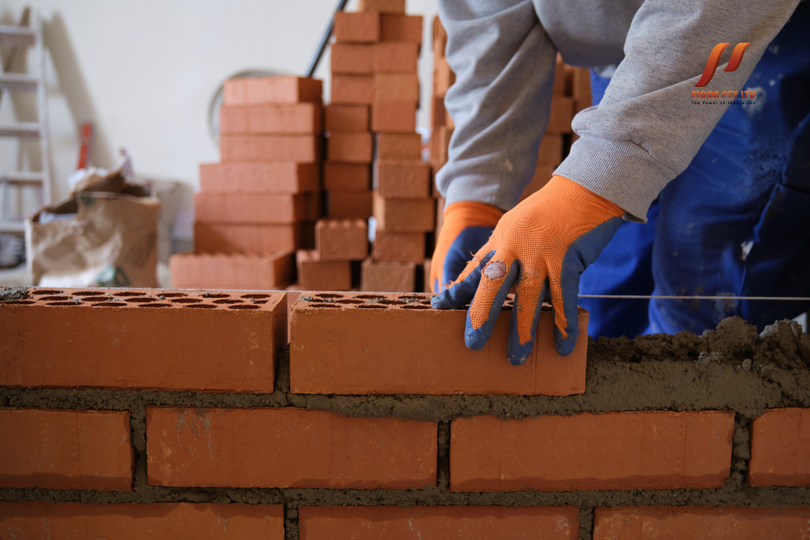
Brick and masonry remain popular for external walls, internal feature walls, retaining structures, landscaping, and structural applications.
Clay bricks offer durability, low maintenance, fire resistance, and a traditional appearance.
Concrete blocks are larger and can provide efficient construction for structural walls, retaining walls, and rendered finishes.
Masonry also provides thermal mass, which can help stabilise indoor temperatures when combined with appropriate insulation and passive design.
Because bricks and blocks are heavy, they require suitable foundations and correct structural support.
Mortar quality, wall ties, reinforcement, drainage, and moisture management all influence long-term performance.
Roofing Materials
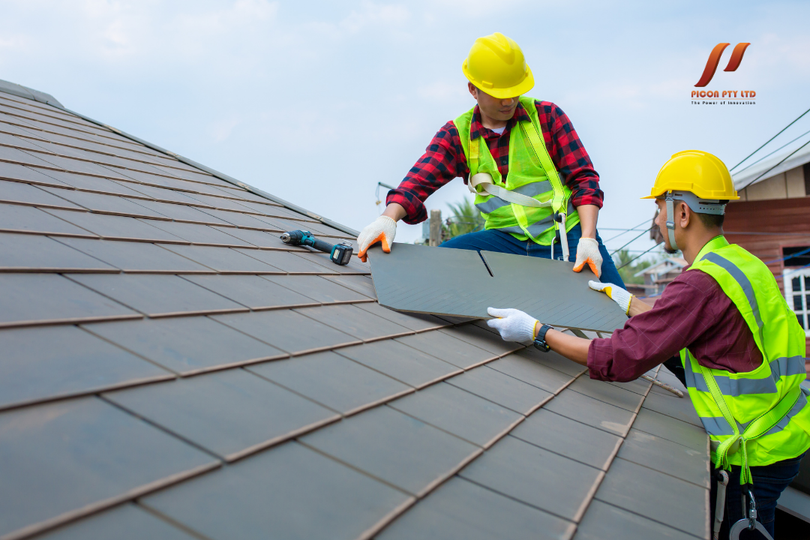
Roofing materials protect the building from rain, sunlight, wind, and changing temperatures.
Common options include steel roofing, concrete tiles, clay tiles, composite roofing, and specialised membrane systems.
Steel roofing is lightweight, durable, and widely used in Australian construction. It suits a wide range of roof pitches and architectural styles.
Concrete and clay tiles provide good durability and thermal mass but place greater weight on the roof structure.
The right roofing material depends on roof pitch, climate, structural design, bushfire requirements, appearance, cost, and maintenance expectations.
Roofing should always be considered together with insulation, ventilation, flashings, gutters, and drainage systems.
Wall Cladding
Cladding forms the visible outer layer of many buildings and helps protect the internal structure from weather.
Popular materials include fibre cement, timber, steel, aluminium, brick, stone, composite panels, and rendered masonry.
Fibre cement offers strong moisture, termite, and fire resistance.
Timber provides warmth and natural character but usually requires more maintenance.
Metal cladding creates a modern appearance and can offer excellent durability when correct corrosion protection is used.
Brick and stone provide long service lives and strong weather resistance.
The best cladding depends on climate, maintenance expectations, architectural design, fire performance, and budget.
The cladding should also work correctly with the cavity, wall membrane, insulation, flashings, and drainage system behind it.
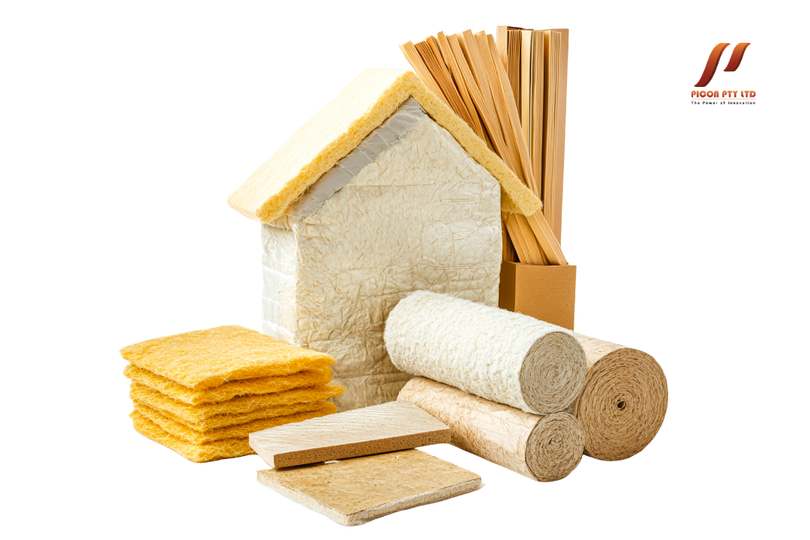
Insulation Materials
Insulation has a direct impact on energy efficiency and indoor comfort.
Common products include glass wool, polyester batts, rigid foam, mineral wool, reflective insulation, and insulated composite panels.
Insulation is rated according to its thermal resistance, usually expressed as an R-value.
The correct R-value depends on the climate zone, building design, wall or roof system, and applicable energy-efficiency requirements.
Installation quality is extremely important. Gaps, compression, moisture damage, or poorly fitted insulation can reduce overall thermal performance.
Some insulation materials also improve acoustic performance and fire resistance.
When comparing products, consider thermal performance, moisture resistance, fire behaviour, durability, installation method, and compatibility with surrounding materials.
Waterproofing Materials
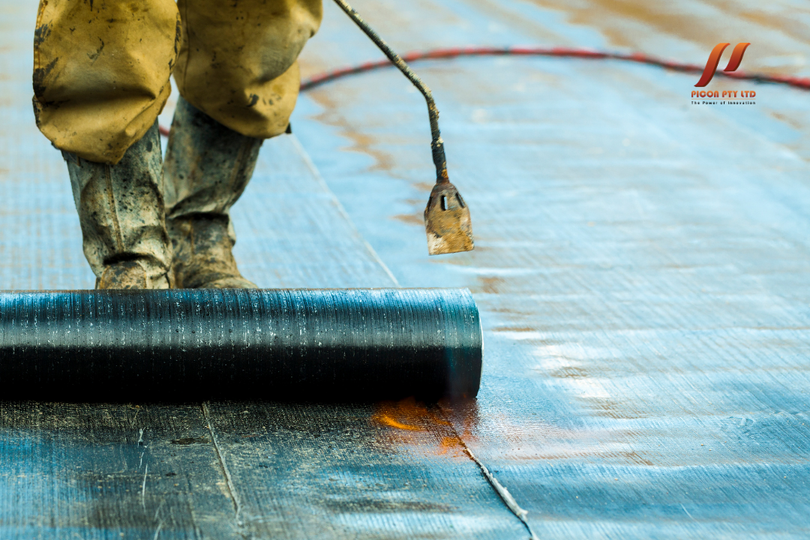
Waterproofing products are used to protect areas exposed to water and moisture.
Bathrooms, laundries, balconies, roofs, retaining walls, basements, planter boxes, and foundations may all require waterproof systems.
Liquid membranes, sheet membranes, cementitious coatings, sealants, and drainage membranes are among the most common options.
The success of a waterproofing system depends on much more than the membrane itself.
Surface preparation, joint detailing, penetrations, corners, drainage, curing time, membrane thickness, and compatibility with tiles or other finishes all affect performance.
Waterproofing failures can be expensive because damage often develops behind finished surfaces.
Choosing quality products and following the correct installation system is essential.
Flooring Materials
Flooring must suit the level of traffic, moisture, comfort, appearance, and maintenance expected in each room.
Hardwood and engineered timber provide a natural and premium appearance.
Laminate and vinyl offer practical and budget-friendly alternatives.
Tiles perform well in wet and high-traffic areas.
Carpet provides warmth and acoustic comfort.
Polished concrete can deliver a durable and modern finish.
Hybrid flooring combines several materials to create a moisture-resistant and low-maintenance product.
There is no single flooring material that works best everywhere. Bathrooms, bedrooms, kitchens, commercial spaces, and outdoor areas all have different requirements.
Composite Materials
Composite construction materials combine two or more materials to achieve improved performance.
Examples include fibre cement, reinforced concrete, engineered timber, wood-plastic composites, insulated sandwich panels, and fibre-reinforced polymers.
Composite products can offer high strength, low weight, moisture resistance, durability, insulation, or reduced maintenance.
However, performance varies significantly between products.
Fire rating, ultraviolet resistance, thermal movement, structural capacity, recyclability, and repair methods should all be checked before selection.
Composite materials should always be assessed based on verified technical information rather than general product descriptions.
Read more: Composite Materials Guide for Modern Construction
Fire Performance
Fire safety is an important consideration when choosing construction materials.
Some materials are naturally non-combustible, while others require protective systems or have specific limitations.
Steel, concrete, brick, masonry, and many fibre cement products provide strong fire performance.
Timber and certain composite products may be suitable when incorporated into tested and compliant building systems.
The fire performance of a complete wall, floor, or ceiling system can be different from the performance of an individual material.
Builders should review fire ratings, system testing, installation requirements, and applicable building regulations before selecting products.
This is especially important for multi-residential buildings, commercial projects, garages, fire-rated walls, and bushfire-prone locations.
Moisture Resistance
Moisture can damage both structural and decorative materials.
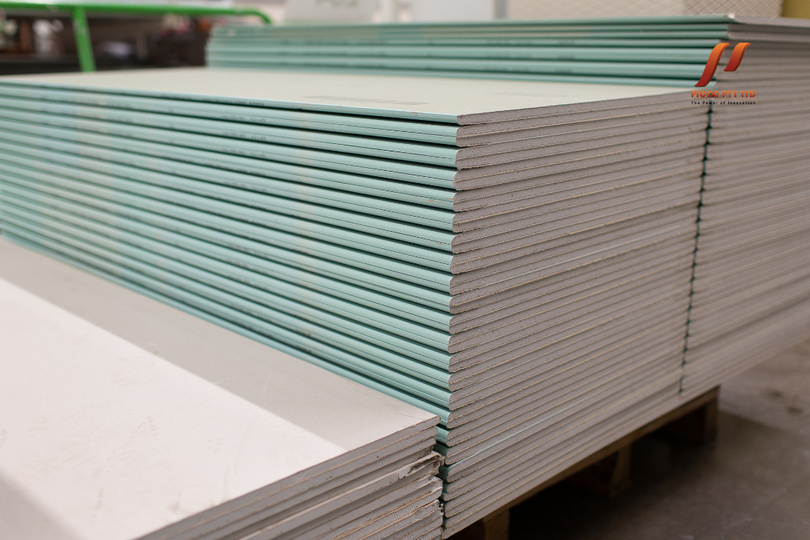
Timber can rot or swell, steel can corrode, insulation can lose performance, and plasterboard can deteriorate when exposed to persistent moisture.
Products used in bathrooms, laundries, roofs, external walls, basements, and coastal locations need suitable moisture resistance.
However, material resistance alone is not enough.
Good drainage, waterproof membranes, ventilation, flashings, vapour management, and correct detailing are essential.
A moisture-resistant product can still fail if water becomes trapped behind it.
Maintenance Requirements
Maintenance should be considered before materials are purchased.
Natural timber may need repainting, staining, or oiling.
Painted steel and aluminium should be inspected for coating damage.
Render may require crack repairs and repainting.
Sealants eventually need replacement.
Roofing, gutters, cladding joints, decks, and exterior finishes all require periodic inspection.
Low-maintenance materials may have higher upfront costs but can reduce long-term labour and repair expenses.
Maintenance access is also important. Products installed high on a façade or in difficult-to-reach locations should ideally require less frequent attention.
Energy Efficiency
Construction materials have a major influence on the energy performance of a building.
Insulation reduces heat transfer, while high-performance windows reduce heat gain and loss through glazing.
Thermal mass materials such as concrete and masonry can help stabilise indoor temperatures when used effectively.
Reflective roofing can reduce summer heat gain.
Air barriers and carefully sealed building envelopes can reduce unwanted air leakage.
Material selection should therefore be considered as part of the entire building design rather than one product at a time.
An energy-efficient home depends on how walls, roofs, floors, windows, insulation, shading, and ventilation work together.
Sustainability
Sustainability is becoming an increasingly important part of material selection.
Builders and homeowners may choose products with recycled content, renewable raw materials, lower embodied carbon, long service lives, or improved recyclability.
Steel and aluminium can be recycled repeatedly.
Responsibly sourced timber is renewable.
Recycled aggregates can reduce demand for virgin materials.
Low-carbon concrete can reduce the environmental impact associated with cement production.
However, sustainability should be considered across the entire life cycle.
A durable material that performs well for 50 years may be more sustainable than a low-impact product that requires frequent replacement.
Transport distance, maintenance, waste, installation, and end-of-life options should all be considered.
Product Compatibility
Construction materials must work together as a system.
Some metals can react when they come into contact with each other, particularly in wet environments.
Certain treated timbers require compatible fasteners.
Sealants and adhesives may not bond properly to some surfaces.
Coatings can react with unsuitable substrates.
Different materials also expand and contract at different rates.
Movement joints, gaps, fixings, and connection details must allow for these differences.
Checking compatibility before construction helps reduce cracking, corrosion, leaks, and premature failure.
Check Standards and Compliance
Product compliance should be confirmed before materials are ordered.
Construction materials may need to comply with the National Construction Code, relevant Australian Standards, engineering specifications, or project-specific requirements.
Technical data sheets, test reports, certifications, warranties, installation manuals, and compliance documents can help confirm suitability.
Marketing claims should not replace technical information.
If a product is being used in a fire-rated, structural, waterproof, or weather-exposed system, always check that the complete system is appropriate for the intended application.
Unapproved substitutions can create both performance and compliance problems.
Compare Total Cost, Not Just Purchase Price
Initial cost is only one part of the financial decision.
A cheaper material may require more labour, more accessories, regular maintenance, or earlier replacement.
A premium product may offer faster installation, reduced maintenance, better durability, or improved energy performance.
Transport, storage, waste, tools, fixings, coatings, installation, and repair costs should all be included when comparing options.
The most economical material is often the one that offers the best balance between purchase price and long-term performance.
Consider Availability and Lead Times
Even a technically excellent material may create problems if it is difficult to source.
Long lead times can delay construction, increase storage requirements, or create scheduling problems.
Availability of matching accessories is also important. Roofing may require specific flashings, screws, gutters, and insulation. Cladding may need compatible trims, membranes, and fixings.
Using widely supported systems can make future repairs and extensions easier.
Before specifying a product, check whether replacement parts and matching materials are likely to remain available.
Work with Reliable Suppliers
A good supplier can make material selection much easier.
Reliable suppliers should provide clear technical information, suitable product options, quantity guidance, delivery support, and compatible accessories.
They should also be able to explain the differences between grades, coatings, profiles, finishes, and performance levels.
Experienced suppliers can help builders avoid common mistakes such as ordering the wrong thickness, using incompatible fixings, or selecting products that are unsuitable for the environment.
For larger projects, suppliers may also assist with quantity take-offs, delivery scheduling, and product coordination.
Avoid Choosing Materials Based Only on Appearance
Appearance is important, but performance should always come first.
A beautiful timber finish may not suit a high-maintenance coastal façade.
A lightweight panel may not provide the required fire performance.
A low-cost floor may not cope with heavy commercial traffic.
A dark roof colour may absorb more heat than expected in a hot climate.
The best material is one that delivers both the desired appearance and the required technical performance.
Architectural design, durability, maintenance, climate, and compliance should be considered together.
Final Thoughts
Choosing construction materials is about much more than comparing prices or selecting the product that looks best.
This construction materials guide has explored the main factors that influence material selection, including structural performance, durability, climate, moisture resistance, fire safety, energy efficiency, maintenance, sustainability, compatibility, and long-term cost.
Concrete, steel, timber, brick, roofing, cladding, insulation, waterproofing, flooring, and composite products all have their own strengths and limitations.
The best choice depends on where the material will be used, the environment it will face, the performance required, and how it fits into the complete building system.
Good material selection begins with clear project requirements and reliable technical information. It also involves considering the full life of the product, from purchase and installation through to maintenance and eventual replacement or recycling.
By working with experienced builders, designers, engineers, and suppliers, property owners can choose materials that support safer, more durable, and more efficient buildings.
Find the Right Construction Materials with Picon
Every successful project begins with the right products.
At Picon, we support residential, commercial, industrial, and prefabricated projects with a wide range of building materials and practical construction solutions. From structural steel, roofing, insulation, cladding, timber products, and composite systems to other essential construction materials, our team can help you explore products suited to your project requirements.
Whether you are planning a new build, renovation, or large development, Picon can help you choose materials that support durability, efficiency, and long-term performance.
Contact Picon to discuss your construction material requirements and find solutions designed for modern building projects.