Roofing Materials Guide: Choosing the Best Option for Your Home
Your roof is one of the most important parts of your home. It protects your family from the weather, helps improve energy efficiency, adds to your home’s appearance, and plays a major role in the overall value of your property. Whether you’re building a new home or replacing an old roof, choosing the right roofing material is a decision that can affect your home for decades.
With so many roofing options available today, it’s easy to feel overwhelmed. Metal roofing, concrete tiles, clay tiles, asphalt shingles, slate, and other materials all offer different benefits, costs, and maintenance requirements. The best choice depends on your budget, climate, design preferences, and long-term goals.
This roofing materials guide explains the most common roofing materials, their advantages and disadvantages, and the key factors you should consider before making your decision.
Why Choosing the Right Roofing Material Matters
Many homeowners focus on the appearance of a roof, but its performance is even more important. A high-quality roofing system protects your home from rain, wind, heat, and other environmental conditions while helping maintain a comfortable indoor temperature throughout the year.
The roofing material you choose can also influence maintenance costs, energy efficiency, insurance premiums, and even resale value. Some materials are designed to last several decades with minimal upkeep, while others require more frequent repairs or replacement.
By understanding the strengths and limitations of different roofing products, you can make an informed decision that suits both your home and your budget.
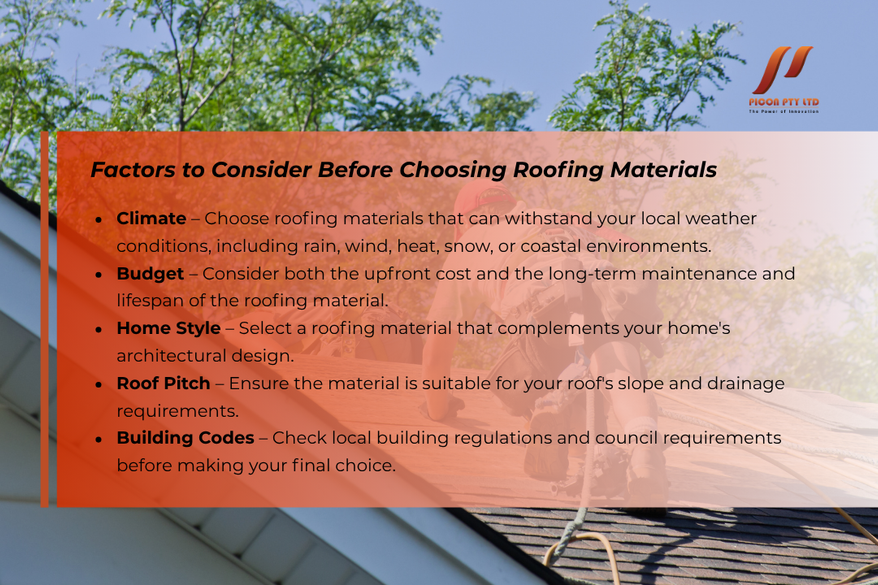
Factors to Consider Before Choosing Roofing Materials
A complete roofing materials guide should begin by explaining that there is no single roofing material that is perfect for every home.
Climate is one of the biggest considerations. Homes located in areas with heavy rainfall, strong winds, hail, snow, or extreme heat require roofing materials that are designed to withstand those specific weather conditions. Coastal homes may also need additional corrosion protection due to salt exposure.
Budget naturally plays an important role as well. While some roofing materials have a higher upfront cost, they may last much longer and require less maintenance, making them more cost-effective over their lifespan.
The style of your home also influences your choice. Modern homes often pair well with sleek metal roofing, while traditional or Mediterranean-style homes may suit clay or concrete roof tiles.
Roof pitch is another factor. Certain roofing materials perform better on steep roofs, while others are more suitable for low-slope applications.
Finally, always consider local building codes and any requirements set by your local council or homeowners’ association before selecting a roofing product.
Metal Roofing
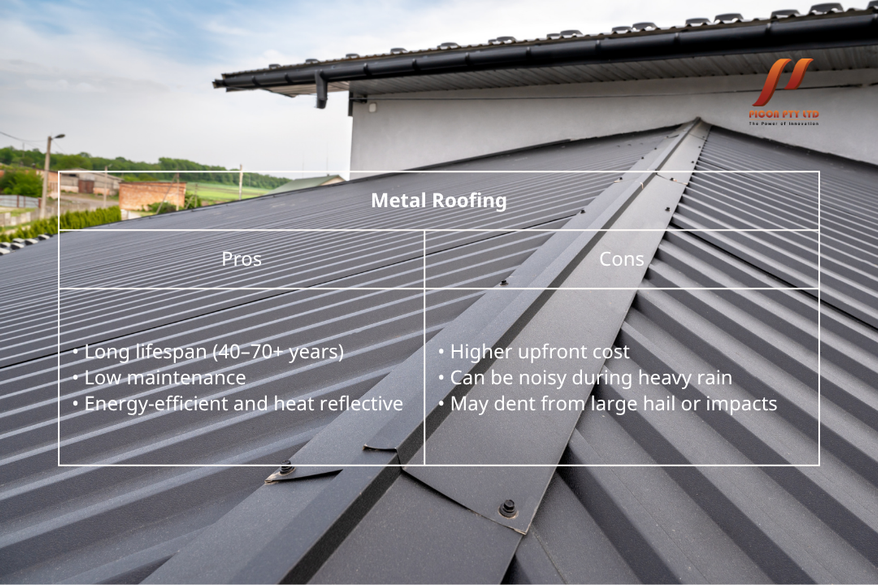
Metal roofing has become one of the fastest-growing roofing choices for residential homes around the world. It combines durability, modern appearance, and low maintenance with excellent long-term performance.
Steel roofing is particularly popular because it offers outstanding strength while remaining relatively lightweight. Galvanised steel and coated steel products provide excellent resistance against corrosion when properly installed and maintained.
Aluminium roofing is another option, especially in coastal environments where corrosion resistance is particularly important.
Metal roofs reflect a significant portion of the sun’s heat, helping reduce cooling costs during warmer months. Many modern metal roofing systems also include advanced coatings that improve thermal performance and colour durability.
One of the biggest advantages of metal roofing is its lifespan. Depending on the product and maintenance, metal roofs can often last 40 to 70 years or even longer.
Another benefit is the relatively low maintenance required. Unlike some roofing materials, metal does not crack, rot, or support moss growth as easily.
However, metal roofing generally has a higher initial installation cost than some alternatives, although many homeowners find the long-term durability offsets the upfront investment.
Concrete Roof Tiles
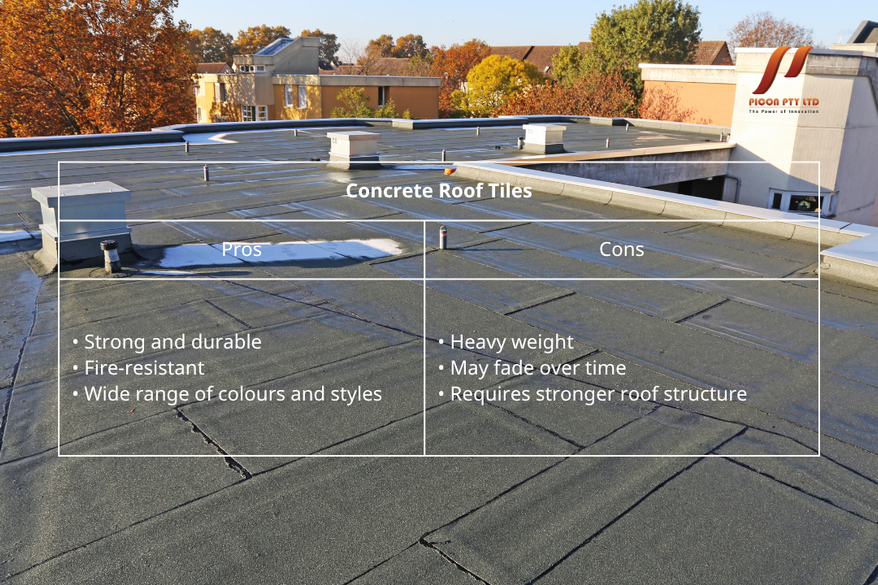
Concrete roof tiles are a common choice for residential homes because they provide strength, durability, and a wide variety of colours and profiles.
Concrete tiles perform well in many weather conditions and offer excellent fire resistance. Their weight can also provide additional stability during strong winds when properly installed.
These tiles have a long service life and generally require moderate maintenance over the years. Individual damaged tiles can often be replaced without removing the entire roof.
Because concrete tiles are relatively heavy, the roof structure must be designed to support their weight. This makes them more suitable for homes specifically engineered for tiled roofing systems.
Concrete tiles can gradually fade over time, although modern manufacturing techniques have significantly improved colour retention.
Clay Roof Tiles
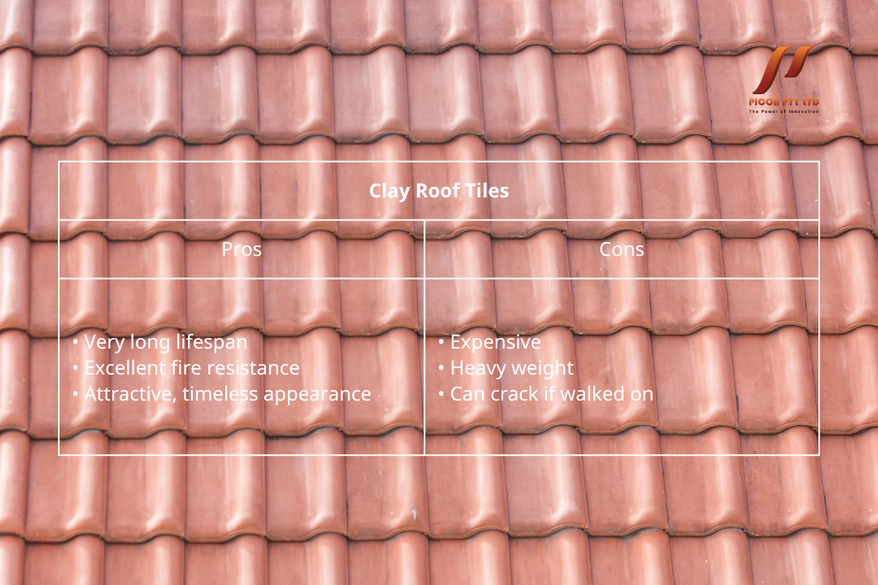
Clay roofing has been used for centuries and remains one of the most attractive roofing materials available.
The natural colour of clay tiles creates a timeless appearance that complements Mediterranean, Spanish, and traditional architectural styles.
Clay tiles are highly durable and can often last more than 75 years with proper maintenance. They also resist fading, insects, and fire extremely well.
Because clay is naturally resistant to ultraviolet radiation, it performs particularly well in sunny climates.
Like concrete tiles, clay roofing is relatively heavy and requires appropriate structural support. It is also generally more expensive than many other roofing options.
Although individual tiles are durable, they can crack if walked on improperly during maintenance or installation.
Asphalt Shingles
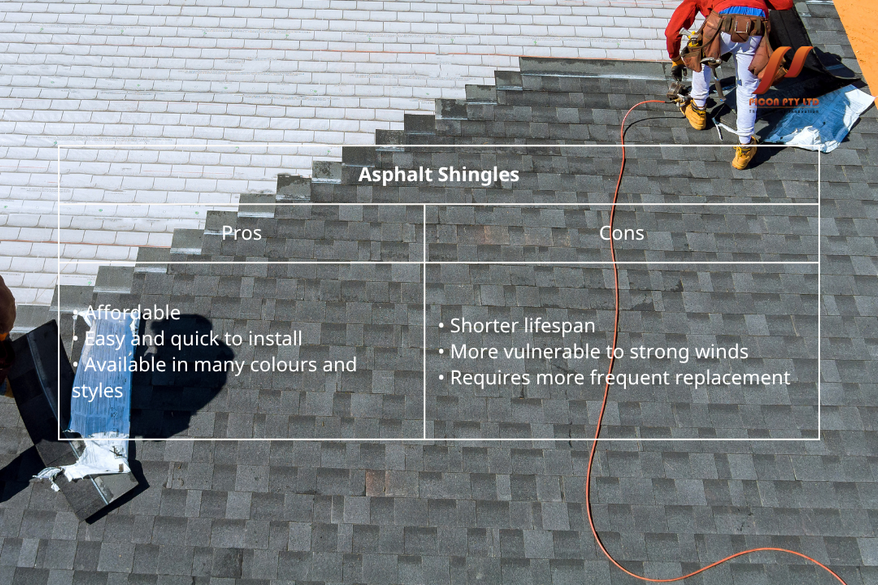
Asphalt shingles remain one of the most popular roofing materials in North America due to their affordability and ease of installation.
Available in a wide range of colours and styles, asphalt shingles can complement many different home designs.
Installation is relatively straightforward, making labour costs lower than many premium roofing systems.
Modern asphalt shingles also offer improved weather resistance compared to earlier products and are available in various quality grades with different warranty periods.
However, asphalt shingles generally have a shorter lifespan than metal or tile roofing. Depending on climate and product quality, replacement may be necessary after 20 to 30 years.
They may also be more susceptible to damage from severe storms or high winds compared to some heavier roofing systems.
Slate Roofing
Slate is considered one of the highest-quality roofing materials available.
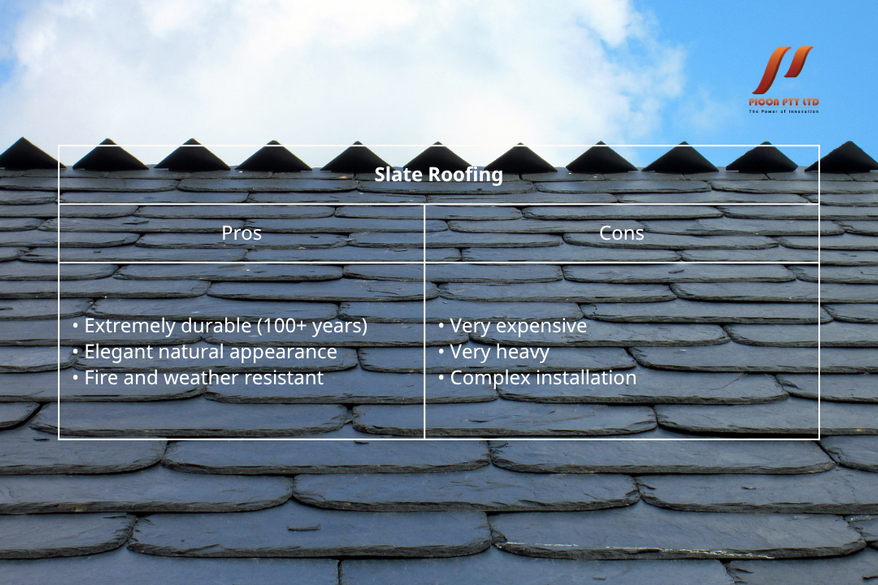
Made from natural stone, slate roofs offer exceptional durability, elegance, and longevity. Properly installed slate roofing can last well over 100 years.
Slate is naturally resistant to fire, moisture, mould, and insects while maintaining its appearance for generations.
Because of its premium appearance, slate often increases a property’s value and architectural appeal.
The main disadvantage is cost. Slate is one of the most expensive roofing materials, both in terms of materials and installation. Its considerable weight also requires specially engineered roof structures.
Composite Roofing Materials
Composite roofing products have become increasingly popular as manufacturing technology continues to improve.
These materials are designed to replicate the appearance of natural slate, timber shakes, or clay tiles while offering lower weight and easier installation.
Many composite products are manufactured using recycled materials, making them an environmentally conscious option for some homeowners.
Composite roofing often requires less maintenance than natural materials while still providing attractive curb appeal.
The expected lifespan varies depending on the manufacturer and product quality, so homeowners should carefully review warranties before making a purchase.
Energy Efficiency and Roofing Materials
An important part of any roofing materials guide is understanding how roofing affects energy efficiency.
Roof colour, material, insulation, and ventilation all work together to influence indoor temperatures.
Light-coloured roofing materials reflect more solar radiation than darker colours, helping reduce heat absorption during summer.
Metal roofs with reflective coatings can significantly reduce roof surface temperatures compared to conventional roofing materials.
Proper attic ventilation also plays an important role by allowing excess heat and moisture to escape, reducing strain on heating and cooling systems.
Combining quality roofing materials with effective insulation can improve comfort while lowering energy bills throughout the year.
Roofing Maintenance
Every roofing material benefits from regular inspection and maintenance.
Keeping gutters clean allows rainwater to drain properly and helps prevent water damage.
Tree branches should be trimmed back to reduce the risk of falling debris while minimising moss and leaf buildup on the roof.
After major storms, homeowners should inspect the roof for loose materials, damaged flashing, or blocked drainage systems.
Addressing small repairs early often prevents much more expensive structural damage later.
The amount of maintenance required varies depending on the roofing material, local climate, and surrounding environment.
Sustainability Considerations
Sustainability has become an increasingly important factor when choosing roofing products.
Metal roofing is one of the most recyclable roofing materials available. Many steel roofing products already contain recycled content and can be recycled again at the end of their service life.
Clay and concrete tiles also have long lifespans, reducing replacement frequency and waste generation.
Some composite roofing products incorporate recycled plastics and rubber, helping reduce landfill waste while providing durable roofing solutions.
Choosing durable roofing materials that require fewer replacements over time often provides environmental benefits in addition to financial savings.
Choosing the Right Roofing Contractor
Even the highest-quality roofing material will not perform well if installed incorrectly.
Selecting an experienced roofing contractor is essential for ensuring proper installation, weatherproofing, flashing, ventilation, and compliance with local building codes.
A reputable contractor should provide clear quotations, explain warranty coverage, use quality installation practices, and answer questions about maintenance requirements.
Homeowners should also confirm that the contractor is properly licensed, insured, and experienced with the specific roofing material they plan to install.
Which Roofing Material Is Best for Your Home?
There is no universal answer because every home has different requirements.
If long-term durability and minimal maintenance are your priorities, metal roofing is an excellent investment. For homeowners seeking a traditional appearance with exceptional longevity, clay or slate roofing may be the ideal choice. Concrete tiles offer a strong balance between durability and affordability, while asphalt shingles remain a practical option for budget-conscious projects.
Climate, structural design, local building regulations, maintenance expectations, and personal style preferences should all influence your final decision.
Consulting with an experienced builder or roofing specialist can help you select a roofing system that matches your home’s needs while staying within your budget.
Final Thoughts
Choosing a roof is about much more than appearance. It is an investment in your home’s protection, energy efficiency, and long-term value. This roofing materials guide has explored the most common roofing options, including metal roofing, concrete tiles, clay tiles, asphalt shingles, slate, and composite materials, while explaining the factors that influence the best choice for different homes.
Every roofing material offers its own combination of advantages, costs, lifespan, and maintenance requirements. By understanding these differences, homeowners can make informed decisions that provide reliable performance for many years.
Whether you’re building a new home or replacing an aging roof, selecting quality materials and working with experienced roofing professionals will help ensure your investment delivers lasting protection, comfort, and peace of mind.